When the fatal gunshot echoed through Ford’s Theatre on April 14, 1865, it shattered a recovering nation and ignited an immediate wave of grief, poetry, and political reflection that permanently reshaped American memory.
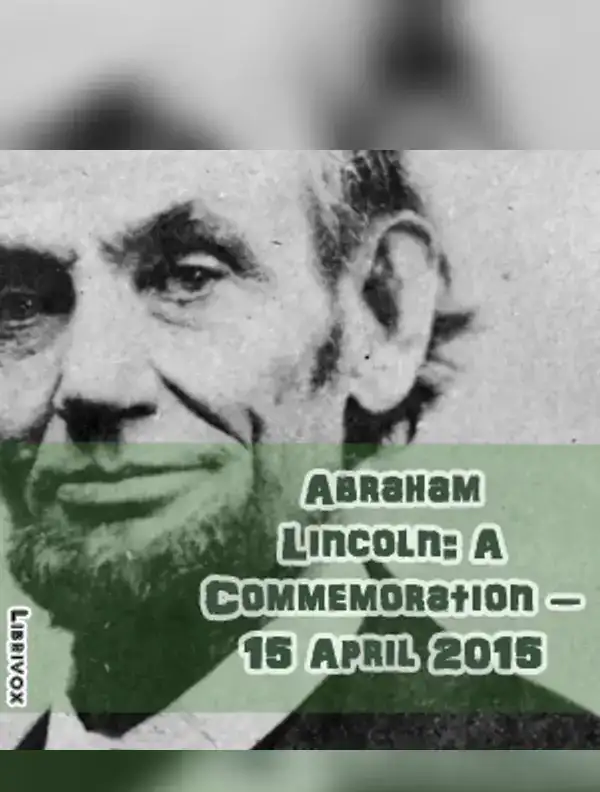
Abraham Lincoln: A Commemoration – 15 April 2015, compiled to mark the 150th anniversary of the 16th president’s death, is an essential historical audio anthology featuring works by Walt Whitman, Frederick Douglass, Ralph Waldo Emerson, and Abraham Lincoln himself. Spanning grief-stricken poetry, a doctor’s harrowing medical account of Lincoln’s final hours, and monumental eulogies from American and British statesmen, this collection offers an intimate lens into 19th-century mourning and civic rhetoric. It is ideal for Civil War scholars, students of political rhetoric, and poetry enthusiasts, though listeners seeking a continuous, single-author narrative biography may find the anthology format fragmented.
| Title | Abraham Lincoln: A Commemoration – 15 April 2015 |
|---|---|
| Author / Contributors | Various (Walt Whitman, Frederick Douglass, Ralph Waldo Emerson, Charles Sumner, Dr. Charles A. Leale, Abraham Lincoln, George Bancroft, William Cullen Bryant, Sir George Grey, Benjamin Disraeli) |
| Genre | Historical Non-Fiction / Anthology / Poetry / American Oratory |
| Release / Compilation Context | 2015 (Sesquicentennial Commemoration of Lincoln’s Assassination) |
| Primary Format | Audiobook / Spoken Word Archive (LibriVox Compilation) |
| Target Audience | Civil War historians, literary scholars, rhetoric researchers, general history readers |
Plot Overview & Premise
Abraham Lincoln: A Commemoration – 15 April 2015 brings together eighteen pivotal primary sources, speeches, and literary tributes written during or after the national crisis of April 1865. Rather than telling a fictional story or offering a modern secondary biography, the anthology acts as a time capsule, capturing the immediate emotional and political aftermath of the assassination through those who witnessed and lived through it.
The collection is organized around four key thematic categories:
- Elegies and Poetic Grief: Features Walt Whitman’s iconic poems “O Captain! My Captain!” and “When Lilacs Last In The Dooryard Bloom’d,” alongside William Cullen Bryant’s funeral ode. These works illustrate the immediate, raw emotional shock experienced by Northern artists.
- Eyewitness Testimony: Contains the detailed medical report by Dr. Charles A. Leale, the first surgeon to reach Lincoln’s box at Ford’s Theatre, providing a clinical yet poignant minute-by-minute account of Lincoln’s final hours at the Petersen House.
- Eulogies and Political Assessments: Gathers major speeches by American leaders and intellectuals. Highlights include Ralph Waldo Emerson’s philosophical tribute, Charles Sumner’s municipal address in Boston, George Bancroft’s funeral oration in Union Square, and Frederick Douglass’s famous 1876 dedication of the Freedmen’s Monument in Washington, D.C.
- International Reactions and Lincoln’s Own Words: Includes parliamentary speeches by British figures Sir George Grey and Benjamin Disraeli showing global solidarity, balanced with recordings of Lincoln’s defining state documents: the Emancipation Proclamation, the Gettysburg Address, and the Second Inaugural Address.
Key Themes & Literary Analysis
The Deification and Humanization of a Leader
A central dynamic across the collection is the tension between Lincoln the fallible political leader and Lincoln the national martyr. In Walt Whitman’s prose and poetry, Lincoln evolves from a wartime commander into a heroic father figure whose sacrifice purifies the nation. Conversely, Frederick Douglass’s 1876 address provides a necessary, brilliant historical balance: Douglass explicitly reminds his audience that Lincoln was “preeminently the white man’s President,” emphasizing both Lincoln’s initial hesitation regarding abolition and his ultimate, decisive courage in signing the Emancipation Proclamation.
Rhetoric as an Instrument of Healing
The speeches preserved in this volume demonstrate how 19th-century oratory functioned as a primary mechanism for collective trauma processing. Orators like Charles Sumner and George Bancroft invoked the foundational promises of the Declaration of Independence to argue that Lincoln’s death must secure permanent freedom and political unity. The inclusion of Lincoln’s own words—most notably the Second Inaugural Address (“With malice toward none; with charity for all”)—shows how the President himself set the rhetorical tone that later eulogists struggled to maintain amid political factionalism.
Eyewitness Realism vs. Poetic Symbolism
Dr. Charles A. Leale’s 1909 recollection of Lincoln’s death provides a stark, realistic anchor to the symbolic poetry surrounding the event. Leale describes physical symptoms, medical interventions, and the quiet dignity of cabinet members standing vigil. This medical prose contrasts sharply with Whitman’s lilac blossoms and star imagery, giving the compilation a compelling balance between historical realism and mythic storytelling.
Who Should Read This?
Recommended For:
- Civil War Enthusiasts: Readers interested in primary source material directly linked to Lincoln’s death and legacy.
- Students of Oratory and Literature: Anyone analyzing 19th-century American speechwriting, transcendental philosophy, or Whitman’s poetry.
- Audiobook and History Podcast Fans: Listeners who appreciate short, distinct historical recordings compiled into a cohesive thematic listening experience.
Who Might Want to Skip:
- Readers looking for a continuous, narrative-driven biography of Abraham Lincoln’s life or presidency.
- Listeners unaccustomed to 19th-century formal academic prose, political speeches, or Victorian-era verse.
Frequently Asked Questions
Is this compilation a single book or a audio collection?
This work is a public-domain audio anthology compiled in 2015 by LibriVox volunteers to commemorate the 150th anniversary of Abraham Lincoln’s assassination. It gathers eighteen independent historical speeches, poems, and primary documents into one volume.
Which historical figures contribute to this Lincoln commemoration?
The anthology features written works and speeches by prominent historical figures including poet Walt Whitman, abolitionist statesman Frederick Douglass, philosopher Ralph Waldo Emerson, Senator Charles Sumner, British Prime Minister Benjamin Disraeli, physician Dr. Charles A. Leale, and President Abraham Lincoln himself.
Does this collection include Lincoln’s actual speeches?
Yes. The final tracks of the anthology contain full readings of three of Abraham Lincoln’s most famous official works: the Emancipation Proclamation (1863), the Gettysburg Address (1863), and the Second Inaugural Address (1865).