
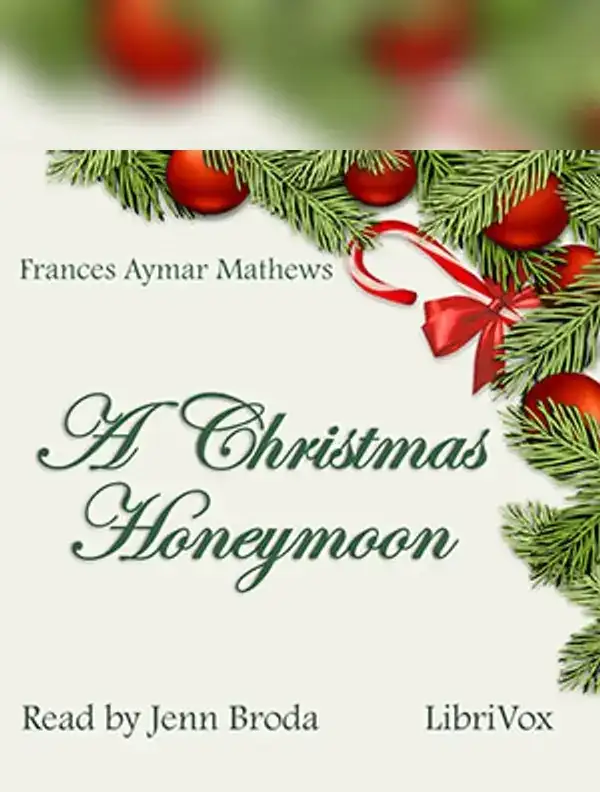
When headstrong lovers allow a clash of pride to dismantle their marriage, holiday nostalgia often serves as the only bridge back to emotional truth.
Frances Aymar Mathews’ classic early 20th-century drama, Christmas Honeymoon, follows Gilded Age New York newlyweds Betty Revere and Peter Van Zandt, whose celebrated wedding is quickly shadowed by a bitter conflict of wills. Separated for years across East and West, their long-standing rift is finally healed right before Christmas through the innocent intervention of their young son, Little Peter. This book is best for enthusiasts of vintage Yuletide fiction, classic domestic dramas, and traditional reconciliation stories, while readers looking for complex modern pacing or gritty realism may prefer to skip it.
| Metadata Field | Details |
|---|---|
| Author | Frances Aymar Mathews |
| Publication Era | Early 20th Century (Gilded Age / Edwardian Era) |
| Genre | Classic Holiday Romance / Domestic Drama |
| Main Themes | Marital Pride vs. Reconciliation, Child-Led Healing, Christmas Redemption, Miscommunication |
| Target Audience | Fans of historical holiday fiction, vintage novellas, and traditional romance |
| Narrative Perspective | Third-Person Omniscient with Epistolary Elements |
Plot Overview & Premise
The story opens amid the splendor of Manhattan high society, celebrating what many deem one of the most beautiful weddings ever hosted in New York: the union of Betty Revere and Peter Van Zandt. However, behind the veil of perfect romance lies a fierce clash between Betty’s uncompromising determination and Peter’s stubborn pride—a dynamic framed as a battle between her female will and his male prerogative.
When a severe misunderstanding erupts, the young couple impetuously breaks apart. Betty vanishes into the West, leaving Peter isolated in the East to reflect on what was lost. Years pass in silent separation until the emergence of “Little Peter,” their young son. Unaware of the full weight of his parents’ bitter past, the child sets out in search of holiday happiness and the key to his father’s locked heart. As the days tick down toward Christmas, the innocent actions of the little boy bring the estranged couple back into the same orbit, setting the stage for a dramatic Yuletide reunion.
Key Themes & Literary Analysis
At its core, Christmas Honeymoon examines how destructive ego and stubbornness can be within a marriage. Mathews contrasts the rigid pride of adults with the natural innocence of childhood. The narrative heavily relies on the popular Edwardian motif of “and a little child shall lead them,” positioning the couple’s young son as the sole agent capable of melting years of accumulated resentment.
The structure blends epistolary devices—such as letters and visiting cards—with episodic narrative shifts between East and West. The seasonal setting plays a vital thematic role: Christmas acts not merely as a festive backdrop, but as a symbolic threshold for forgiveness, homecomings, and second chances. Mathews crafts a melodramatic yet poignant tale that reflects the sentimental literary conventions of turn-of-the-century American popular fiction.
Who Should Read This?
- Recommended For: Readers who appreciate wholesome vintage holiday stories, Gilded Age settings, classic family drama, and sentimental tales of second-chance romance.
- Who Might Want to Skip: Readers who dislike melodramatic plots, predictable traditional endings, or slow-burn sentimental tropes typical of early 1900s period fiction.
Frequently Asked Questions
What is the primary conflict in Christmas Honeymoon?
The core conflict stems from an intense battle of pride between newlyweds Betty Revere and Peter Van Zandt shortly after their New York wedding, which leads to an abrupt, multi-year separation between East and West.
Is this story a full-length novel or a short novella?
The work is structured as a short holiday novella divided into 16 brief, episodic chapters, making it a quick, accessible read for the Christmas season.
Is Christmas Honeymoon suitable for family reading?
Yes, the narrative maintains a clean, traditional tone centered around family reconciliation and holiday warmth, making it entirely suitable for readers of all ages.