
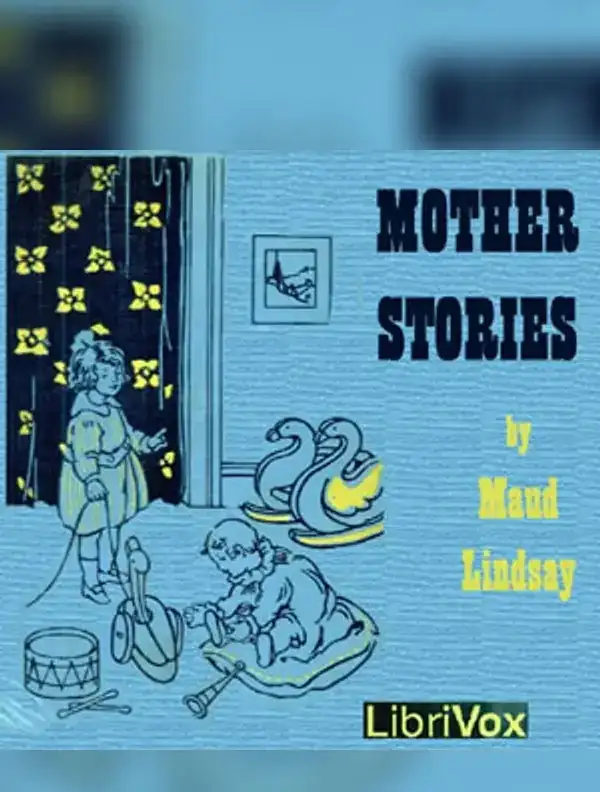
Long before modern child psychology standardized early childhood education, Maud Lindsay recognized that abstract virtues are best absorbed when delivered through simple, resonant domestic tales. First published at the turn of the twentieth century, her collection remains a historic benchmark in children’s instructional literature.
Mother Stories, authored by Maud Lindsay in 1900, is a foundational collection of 17 short moral fables grounded in Friedrich Froebel’s kindergarten philosophy. Designed specifically for maternal read-aloud sessions, the book uses gentle allegories about nature, domestic labor, and personal integrity to shape young character. It is ideal for early childhood educators, vintage book collectors, and parents seeking wholesome bedtime material, though readers looking for high-stakes modern narrative arcs may find its quiet tone too simplistic.
| Author | Maud Lindsay |
|---|---|
| Original Publication Date | 1900 |
| Genre | Children’s Short Stories / Moral Fables / Early Pedagogy |
| Main Themes | Integrity, connection to nature, civic duty, diligence, family unit |
| Target Audience | Parents of toddlers/preschoolers, early childhood educators, children’s literature historians |
| Narrative POV | Third-Person Omniscient (Oral Storytelling Style) |
Plot Overview & Premise
Unlike continuous narrative novels, Mother Stories is structured as a curated anthology of seventeen standalone tales, prefaced by an explanatory note on early childhood development. Each vignette introduces relatable characters—ranging from everyday children and animal companions to personified natural elements like the wind—placed in humble situations that test their choices and disposition.
In stories like “Dust Under the Rug,” a young girl named Minnie earns a place in a home kept by twelve small dwarfs. When tempted to skip her chores and hide dirt out of sight, her conscience compels her to be thorough, leading to an unexpected reward. “The Little Gray Pony” highlights social interdependence, showing a man seeking help from a blacksmith, a miner, and a coal burner when his pony loses a shoe. Other tales, such as “How the Home was Built” and “The Open Gate,” focus on family unity, hospitality, and safety within the domestic sphere.
Throughout the collection, physical actions serve as direct metaphors for internal character. Victory is achieved not through conquering villains, but through making honest choices, showing gratitude to workers, and maintaining harmony with the natural environment.
Key Themes & Literary Analysis
1. Application of Froebelian Pedagogy
Maud Lindsay explicitly built her narrative arc on the educational principles of Friedrich Froebel, creator of the kindergarten concept. Froebel posited that young minds learn best through symbolic play, rhythmic language, and direct observation of the natural world. Lindsay translates these theories into rhythmic prose designed to be read aloud, allowing mothers to guide spiritual and emotional development without resorting to harsh punishment or severe warnings.
2. The Dignity of Labor and Community Interdependence
A recurring theme across these short works is respect for honest labor. Whether detailing the steps required to construct a sturdy house or tracing the chain of tradesmen needed to re-shoe a pony, Lindsay presents human society as a cooperative web. Children reading these stories learn that everyday items—food, shelter, clothing—are the result of collective effort, fostering respect for working-class trades.
3. Nature as a Guiding Teacher
Natural elements in Lindsay’s prose carry active agency. The wind blows away debris and turns windmills, animals reward kindness with loyalty, and gardens flourish when tended with patience. Nature acts as an unyielding mirror to human behavior: order and diligence bring harmony, while neglect yields disharmony.
Who Should Read This?
Recommended For:
- Parents of Young Children: Excellent for toddlers and early elementary children who benefit from gentle bedtime stories with clear moral lessons.
- Homeschoolers & Early Educators: A valuable primary resource for teaching foundational ethics and simple community roles.
- Vintage Literature Enthusiasts: Anyone interested in late 19th- and early 20th-century American childhood development and storytelling.
Who Might Want to Skip:
- Middle-Grade & YA Readers: The simplified vocabulary and repetitive phrasing are tailored specifically for very young listeners.
- Fans of Action or Fantasy: Readers seeking suspense, complex worldbuilding, or intense conflict will find these gentle moral fables too quiet.
Frequently Asked Questions
What inspired Maud Lindsay to write Mother Stories?
Maud Lindsay was heavily influenced by Friedrich Froebel’s Mother Play, a foundational philosophy behind the early kindergarten movement. She wrote these stories to help mothers communicate complex moral ideas to young children through accessible, everyday allegories.
What age group is this collection best suited for?
The stories are tailored for young children aged 3 to 7. The sentence structure is straightforward, making it an ideal choice for reading aloud to preschoolers or early readers practicing independent reading.
Are the stories connected by a single plotline?
No, Mother Stories is an anthology of 17 individual fables. While they do not share characters or a continuous plot, they are linked by shared educational themes, moral lessons, and a gentle narrative tone.