
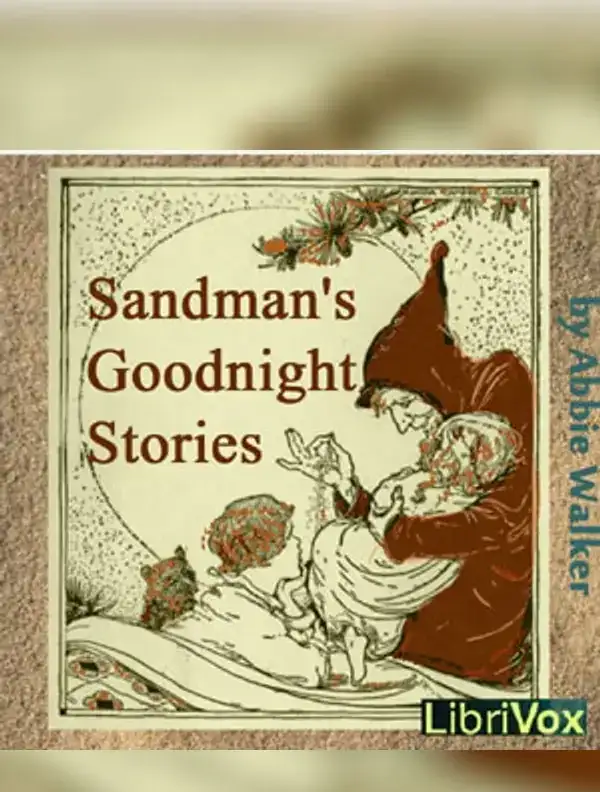
Before digital screens dominated evening routines, bedtime storytelling relied on simple whimsy, vivid nature folklore, and memorable animal fables to lull young minds to sleep. Abbie Phillips Walker’s classic collection captures this timeless oral tradition through short, imaginative vignettes that transform everyday backyard discoveries into cozy fairy tales.
Sandman’s Goodnight Stories by Abbie Phillips Walker is an early 20th-century anthology of 28 concise children’s bedtime stories combining animal fables, elemental folklore, and gentle moral lessons. Designed to be read aloud, the tales address central conflicts of curiosity, woodland mischief, and the magic of the natural world. This collection is best suited for parents seeking brief, soothing read-aloud stories for young children, while readers accustomed to fast-paced modern narratives may find its gentle pacing traditional.
| Author | Abbie Phillips Walker |
|---|---|
| Original Publication Era | 1917 (Early 20th Century) |
| Genre | Children’s Literature / Fairy Tales / Bedtime Fables |
| Main Themes | Nature lore, animal personification, moral choices, childhood wonder |
| Target Audience | Children ages 4–8, parents reading aloud, vintage folklore enthusiasts |
| Narrative POV | Third-person omniscient (Classic storyteller tone) |
Plot Overview & Premise
Structured as a series of twenty-eight brief, self-contained narratives, the collection functions as a literary Sandman, offering peaceful entertainment right before sleep. The stories do not follow a single continuous plot line; instead, they wander through enchanted forests, flower gardens, cozy animal burrows, and nursery playrooms.
Walker introduces an array of charming characters and mythological explanations for everyday natural phenomena. Tales like “How the Buttercup Grew Yellow,” “When Jack Frost Was Young,” and “The Wind-Flower’s Story” transform botanical and seasonal changes into imaginative events driven by fairies and spirits. Meanwhile, animal-centric chapters such as “Inquisitive Mr. Possum,” “Mr. Fox’s Housewarming,” and “Mr. Crow Goes and Tells” feature clever forest creatures navigating social rivalries and comedic dilemmas. Other entries, including “The Playroom Wedding” and “The Little China Shepherdess,” bring household toys to life after dark, tapping directly into the imaginative world of young listeners.
Key Themes & Literary Analysis
1. Explanatory Nature Lore and Etiological Myth
A recurring element in Walker’s work is explaining why nature appears the way it does. Rather than relying on technical facts, the author creates whimsical origin stories. Children learn why buttercups hold their golden hue or how pussy willows acquired their soft furs. This approach fosters early environmental curiosity by encouraging children to view outdoors surroundings with imagination and appreciation.
2. Gentle Moral Instruction Without Harshness
Unlike classical Grimms’ fairy tales, which frequently featured dark consequences, Walker’s stories offer lighthearted lessons. Characters who exhibit flaws—such as the protagonist in “Discontented Dewdrop” or the main character in “Inquisitive Mr. Possum”—face mild, humorous setbacks rather than severe punishments. The narrative consistently rewards kindness, humility, and quiet observation over foolish pride or intrusive snooping.
3. Anthropomorphism and Domestic Fantasy
By giving human speech, clothing, and etiquette to animals, insects, and playroom toys, the collection bridges the gap between a child’s familiar home life and the mysteries of the wild. Gnomes, rain elves, field fairies, and talking crickets share domestic routines, making the fantasy world feel accessible, safe, and comforting for nighttime reading.
Who Should Read This?
Recommended For:
- Parents and Caregivers: The short format (each story takes roughly 3 to 5 minutes to read) fits smoothly into nightly bedtime routines.
- Early Readers: Simple sentence structures and clear vocabulary make the book a gentle step up for children transitioning to early chapter books.
- Collectors of Classic Children’s Literature: Fans of Beatrix Potter, Thornton Burgess, or Arthur Scott Bailey will appreciate the vintage 1910s storytelling style.
Who Might Want to Skip:
- Readers looking for complex, interconnected novel plots or high-stakes modern fantasy adventures.
- Audiences who prefer realistic, non-fiction animal stories over anthropomorphic fairy tales.
Frequently Asked Questions
What age group is this book suitable for?
The collection is ideal for children aged 4 to 8 as a read-aloud book. Early independent readers aged 7 to 9 can also enjoy reading the simple language and short chapters on their own.
Are the 28 stories connected to one another?
No, each story is completely standalone. You can read them in any order without losing narrative continuity, making it easy to pick a story based on a child’s mood or time availability.
Are there scary elements in any of the stories?
No. While titles like “The Revenge of the Gnomes” or “The Eatyoup” sound dramatic, the conflicts are light, playful, and resolved peacefully, specifically tailored to avoid disturbing young listeners before sleep.