
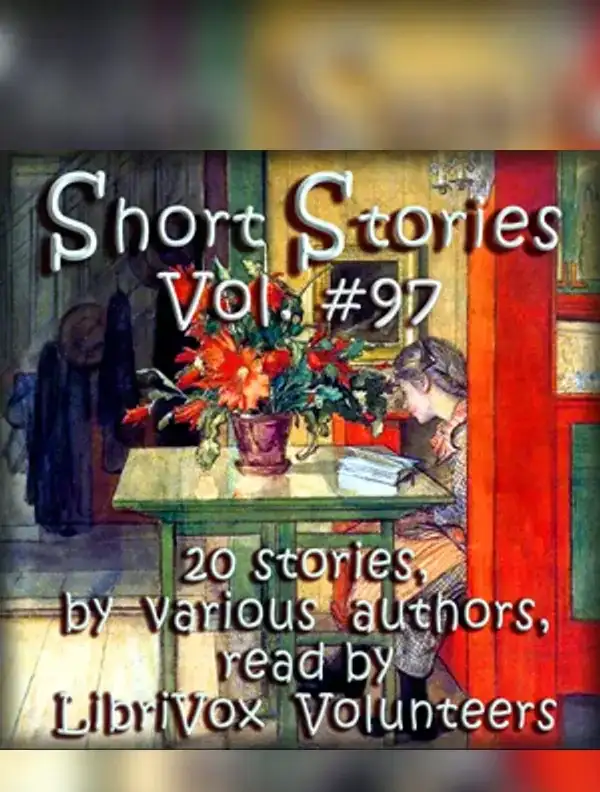
Anthologies serving up classic fiction often reveal how distinct historical moments grapple with betrayal, honor, and psychological isolation. Short Story Collection Vol. 097, curated by LibriVox volunteers, brings together twenty short stories spanning late 19th and early 20th-century literature, dominated by Guy de Maupassant’s biting French realism alongside Ernest Hemingway’s early modernist trauma narratives. Ideal for enthusiasts of vintage prose, public domain audiobooks, and comparative literary history, though listeners accustomed to modern, high-speed plotting may find the Victorian and naturalist pacing measured.
| Metadata Field | Details |
|---|---|
| Collection Title | Short Story Collection Vol. 097 |
| Authors | Various (Guy de Maupassant, Ernest Hemingway, Olive Schreiner, Eugene Field, Lillian Bennett-Ford, and others) |
| Genre | Classic Short Fiction / Literary Anthology |
| Original Era | Late 19th Century to Early 20th Century |
| Main Themes | War trauma, social hypocrisy, moral compromise, psychological isolation, revenge |
| Target Audience | Classic literature readers, audiobook collectors, short story scholars |
| Narrative Perspective | Varies by story (First-person, Third-person limited, Third-person omniscient) |
Plot Overview & Premise
This ninety-seventh volume in the public-domain short story series presents a heavy concentration of French Naturalism alongside American modernist and regional works. Eight stories in the selection are penned by Guy de Maupassant, offering a thorough survey of his characteristic themes: the quiet brutalities of provincial life, the lingering scars of the Franco-Prussian War, and the rigid constraints placed upon women.
Among the highlights, Maupassant’s Mother Sauvage delivers a stark look at wartime vengeance when an elderly mother learns of her son’s death on the front lines, while Useless Beauty examines the quiet rebellion of an aristocratic woman trapped in a marriage defined by objectification. Madame Baptiste explores public prejudice and social exile, illustrating how community cruelty drives vulnerable individuals toward tragedy.
Contrasting Maupassant’s 19th-century European sensibilities is Ernest Hemingway’s seminal modern short story, Soldier’s Home. Following Harold Krebs upon his late return to Kansas after fighting in World War I, the narrative captures the alienation of a veteran unable to re-integrate into domestic routines or perform superficial social lies. The collection is further diversified by Olive Schreiner’s Dream Life and Real Life: A Little African Story, retellings of Indigenous folklore, and light moral fables that balance the darker, realistic selections.
Key Themes & Literary Analysis
- The Psychological Deconstruction of War: Stories like Maupassant’s Mother Sauvage and Hemingway’s Soldier’s Home approach war not through grand military heroics, but through localized, post-combat trauma. Hemingway uses minimalist dialogue to express Krebs’s emotional numbness, while Maupassant uses primitive, unyielding action to show how war dehumanizes civilians.
- Social Hypocrisy and Gender Dynamics: Female characters throughout this collection frequently navigate systemic entrapment. In Useless Beauty and Madame Baptiste, societal expectations dictate women’s worth, forcing characters into desperate acts of emotional self-defense or tragedy.
- Naturalist Determinism vs. Human Agency: The selected narratives frequently present environments where individuals are shaped—and often broken—by economic class, war, or cruel social rumors. Characters struggle against rigid social structures, reflecting the dominant literary movements of the late 19th century.
Who Should Read This?
Recommended For:
- Fans of classic French literature and 19th-century naturalism, particularly readers looking for an accessible entry point into Guy de Maupassant’s short fiction.
- Literary historians and students interested in early 20th-century post-war fiction and comparative short story structures.
- Audiobook enthusiasts who appreciate varied vocal interpretations of public-domain classics.
Who Might Skip It:
- Readers who prefer unified single-author collections or cohesive linear novel plots.
- Those sensitive to historical depictions of wartime violence, social prejudice, and bleak character outcomes.
Frequently Asked Questions
What are the primary literary movements represented in Short Story Collection Vol. 097?
The collection primarily highlights 19th-century French Naturalism—led by Guy de Maupassant—and early 20th-century American Modernism, featured in Ernest Hemingway’s work. It also includes elements of Victorian moral fiction and regional folklore retellings.
Is Ernest Hemingway’s “Soldier’s Home” complete in this audio collection?
Yes, the volume includes the unabridged text of Hemingway’s standard short story, detailing Harold Krebs’s psychological struggles following his return from World War I combat in Europe.
How many stories in this volume are written by Guy de Maupassant?
Guy de Maupassant contributes eight of the twenty stories in this volume, making it an excellent resource for readers analyzing his core themes of wartime conflict, provincial hypocrisy, and marital power dynamics.