
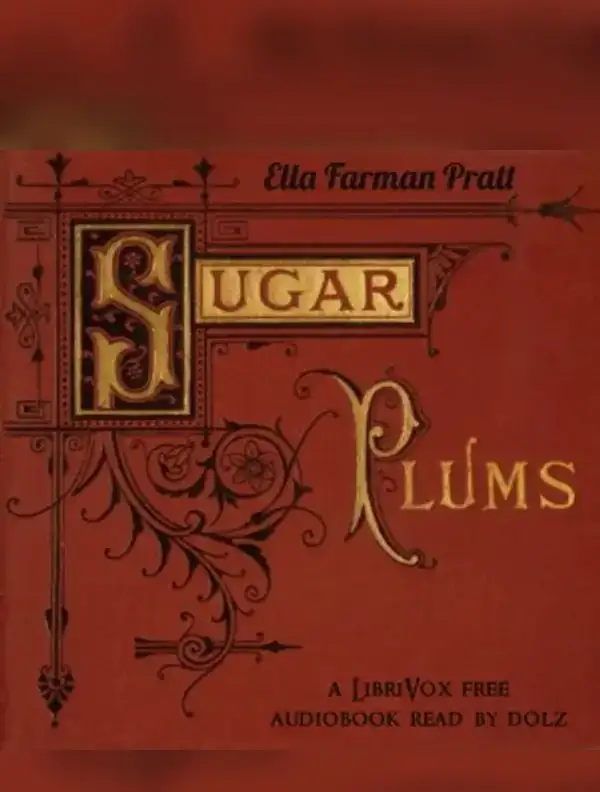
Victorian children’s literature often oscillated between rigid moral instruction and unrestrained escapism, but Ella Farman Pratt captured something far more authentic: the quiet, unpredictable texture of a child’s inner world. Sugar Plums by Ella Farman Pratt is a classic 25-part collection of children’s poetry and brief lyrical vignettes exploring domestic family life, playground whimsy, animal companionship, and gentle childhood anxieties. This volume is ideal for enthusiasts of vintage juvenile poetry, historical literature researchers, and parents seeking gentle bedtime verse, while modern readers expecting fast-paced, plot-driven prose may find its episodic, late-nineteenth-century format overly understated.
| Attribute | Details |
|---|---|
| Author | Ella Farman Pratt |
| Era / Literary Period | Late 19th Century (Victorian / American Juvenile Literature) |
| Genre | Children’s Poetry / Short Lyrical Verse |
| Structure | 25 Standalone Poetic Vignettes |
| Primary Themes | Childhood Innocence, Animal Companionship, Domestic Life, Vulnerability |
| Target Audience | Lovers of vintage children’s poetry, literary historians, and young listeners |
Plot Overview & Premise
Unlike traditional narrative storybooks, this collection functions as a kaleidoscope of childhood experience, presenting twenty-five distinct snapshots of nineteenth-century youth. Ella Farman Pratt shifts her focus across diverse settings, ranging from stately parlors and quiet haymows to city streets and humble birdhouses.
The individual selections alternate between joyful play and quiet introspection. Works like Mamma’s Dolls, Learning To Count, and Pudding and Milk capture the sweet simplicity of early childhood routines and early learning. Meanwhile, pieces such as In The Haymow, In A Bird House, and Vacation Days celebrate outdoor exploration and a child’s natural kinship with nature.
However, the anthology does not shy away from the underlying anxieties of youth. Entries such as Baby’s Frights, Papa’s Scare, and The Street Sweeper gently expose readers to moments of confusion, minor misfortunes, and social realism, grounding the collection’s sweetness in authentic human experience. Throughout the selection, animal figures—most notably in Kitty’s Color, Kittikin, and Which Kitty To Keep—serve as mirrors for childhood empathy and moral development.
Key Themes & Literary Analysis
The Spectrum of Domestic Life
Pratt’s verses excel at celebrating the mundane beauty of home life. Rather than idealizing childhood into an unbroken fantasy, the text captures the balance between comfort and small tribulations. The domestic sphere is portrayed as a space of learning, safety, and imaginative play, yet it remains open to the broader world outside.
Innocence Intersecting with Vulnerability
A notable strength of the anthology is its refusal to sanitize emotion. While many contemporary works for children offered purely saccharine scenarios, Pratt incorporates subtle notes of melancholy and realism. Pieces like Poor Frank and The Street Sweeper remind the reader of the economic and social realities surrounding young people in the nineteenth century, fostering empathy without overwhelming the young audience.
Rhythmic Simplicity and Visual Imagery
The literary style relies on accessible meter, bright auditory rhythms, and evocative visual imagery tailored for young ears. Pratt uses conversational pacing, making the poems exceptionally well-suited for oral reading and performance. Her ability to pivot from humorous character sketches like Little Miss Rattle Te-Bang to reflective pieces like While Baby Sleeps demonstrates her versatility as a juvenile author and long-time magazine editor.
Who Should Read This?
Recommended For:
- Archival Literature Enthusiasts: Readers interested in 19th-century American children’s publishing and historical verse.
- Parents & Educators: Anyone seeking short, gentle read-aloud material for young children before sleep.
- Poetry Collectors: Fans of classic authors like Robert Louis Stevenson, Christina Rossetti, or Eugene Field.
Who Might Want to Skip:
- Readers seeking continuous, plot-heavy novelizations or fantasy adventures.
- Audience members looking for modern language styling or contemporary themes.
Frequently Asked Questions
Is this collection a continuous narrative or a poetry anthology?
It is a structured anthology of twenty-five individual, standalone poems and brief poetic stories. Each piece introduces new characters, settings, and themes tailored for quick reading.
What age group is best suited for these poems?
The rhythmic structures and accessible topics make the collection suitable for read-aloud sessions with young children (ages 4–8), while literary scholars and older readers will appreciate its historical context.
What makes Ella Farman Pratt’s writing distinct?
As a prominent editor for popular 19th-century children’s periodicals like Wide Awake, Pratt possessed an acute understanding of young readers’ psychology, blending playful humor with genuine emotional depth.