
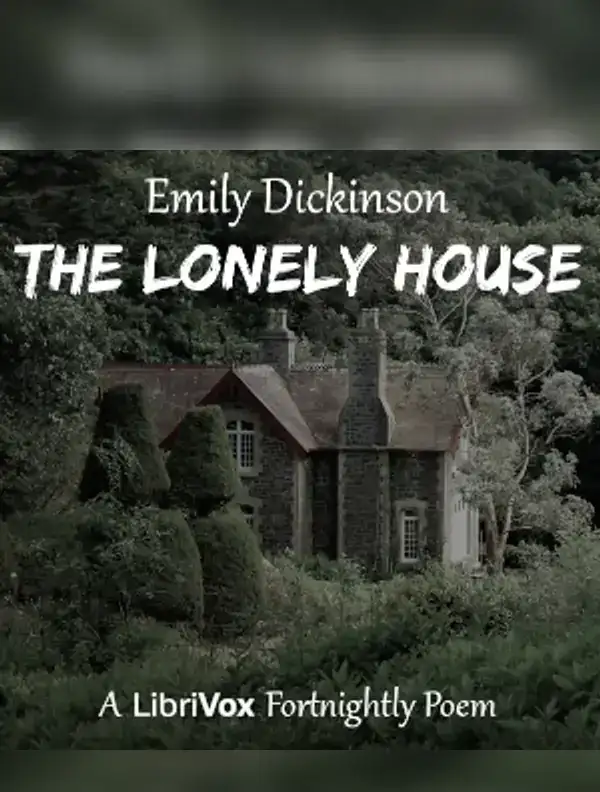
Nightfall transforms the familiar domestic realm into a landscape of quiet dread, a psychological threshold where the mundane turns spectral. Emily Dickinson captures this exact tension in her eerie poem “The Lonely House,” examining how isolation, creeping shadows, and the stillness of midnight convert an empty dwelling into a theater of suspense.
Emily Dickinson’s poem “The Lonely House” is a piece of 19th-century American gothic verse that explores a quiet residence under the cover of night, evoking themes of vulnerability, nocturnal intrusion, and psychological isolation. Ideal for enthusiasts of classic poetry, eerie literary atmospheres, and Victorian gothic themes, while readers seeking a full-length prose novel or plot-heavy thriller may prefer standard fiction.
| Author | Emily Dickinson |
|---|---|
| Publication Era | Late 19th Century (Posthumously published in 1890) |
| Genre | Gothic Poetry / American Romanticism |
| Main Themes | Domestic gothicism, fear of the unknown, isolation, mortality |
| Target Audience | Lovers of classic poetry, atmospheric literature, and Halloween verse |
| Narrative POV | First-Person / Observing Speaker |
Plot Overview & Premise
“The Lonely House” focuses on a solitary home standing in deep silence long after night has fallen. Dickinson paints a vivid picture of a quiet residence wrapped in sleep, where every rustle or creak takes on an ominous significance. The poem imagines the mechanics of a stealthy entry—whether by literal burglars, unseen spirits, or the invasive passing of time itself—creeping through windows and moving past suspended pendulums.
As the midnight hour stretches, the poem builds an intricate tension between absolute domestic peace and sudden intrusion. The sleeping inhabitants inside remain oblivious to the potential dangers outside, while the observer meticulously tracks the quiet movements in the darkness until daylight finally arrives to shatter the nocturnal spell. The audio collection from LibriVox preserves 21 distinct community interpretations of this work, highlighting how different vocal performances accentuate its uncanny, suspenseful cadence.
Key Themes & Literary Analysis
Dickinson employs a range of distinct poetic techniques to transform a basic domestic scene into a chilling psychological study:
- Domestic Gothicism: Rather than setting her story in a grand, ruined European castle, Dickinson situates horror within the everyday American home. The very walls meant to offer protection become frail barriers against external unknown forces.
- The Intruder Metaphor: The hypothetical burglars in the poem can be interpreted literally, but they also serve as complex metaphors for death, divine judgment, or uninvited thoughts breaking into the human mind.
- Suspenseful Meter and Imagery: Through short stanzas, rhythmic pauses, and understated imagery—like a clock ticking in an empty hall or matchsticks catching light—Dickinson builds a slow-burning tension that mirrors the sensation of waiting in the dark.
Who Should Read This?
Understanding whether this work fits your reading preferences depends on what you expect from atmospheric classic literature:
- Recommended For: Readers who appreciate short, evocative Victorian verse; scholars studying Dickinson’s darker thematic works; and listeners looking for atmospheric, spooky poetry readings suitable for autumn or Halloween.
- Skip If: You are searching for a contemporary full-length horror novel, explicit violent stories, or prose fiction with conventional character arcs.
Frequently Asked Questions
Is “The Lonely House” a standalone book or a poem?
“The Lonely House” is a short poem composed by Emily Dickinson, originally published posthumously in her first collection of poetry in 1890. It is often analyzed as an individual piece of classic American literature or listened to in recorded audio poetry anthologies.
What is the central metaphor in “The Lonely House”?
The primary metaphor revolves around the vulnerable home as a representation of the human mind or soul. The threat of stealthy intruders in the night symbolizes forces beyond our control, such as mortality, sudden realization, or spiritual reckoning entering our quiet lives.
Why is “The Lonely House” associated with Halloween reading?
Due to its eerie mood, emphasis on creeping shadows, midnight setting, and subtle sense of peril, literary enthusiasts often feature the poem in seasonal autumn collections and Halloween-themed poetry recitations.