
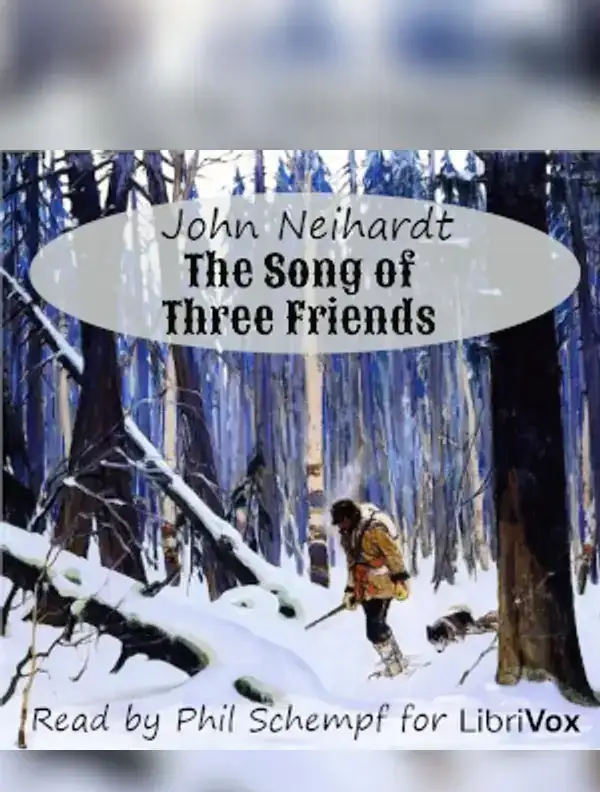
When John Neihardt set out to mythologize the American frontier in verse, he bypassed romanticized tall tales to expose the brutal psychological frictions that dissolved early 19th-century brotherhoods. John Neihardt’s The Song of Three Friends is an epic narrative poem detailing the 1822 fur-trading expedition of Mike Fink, Will Carpenter, and Frank Talbeau along the Missouri River. Bound by fierce camaraderie as members of Ashley’s Hundred, their alliance collapses when romantic jealousy transforms a ritual of trust into fatal retribution. This work is ideal for readers of classic poetry and American frontier history, whereas those who prefer modern prose or rapid plot movement may wish to pass.
| Author | John Neihardt |
|---|---|
| Original Publication Date | 1919 |
| Genre / Sub-genre | Epic Poetry / Historical Western Literature |
| Main Themes | Masculine Camaraderie, Hubris, Frontier Survival, Vengeance and Moral Reckoning |
| Target Audience | Scholars of American literature, poetry enthusiasts, frontier history buffs |
| Narrative Point of View | Third-person Omniscient (Narrative Verse) |
Plot Overview & Premise
Set against the vast backdrop of the American wilderness in 1822, The Song of Three Friends chronicles the journey of three legendary boatmen and trappers: Mike Fink, Will Carpenter, and Frank Talbeau. Joining General William H. Ashley’s famous company of trappers—known historically as Ashley’s Hundred—the trio journeys up the Missouri River toward the uncharted fur grounds of the Rocky Mountains.
The poem unfolds across eight distinct cantos:
- Ashley’s Hundred: Introduces the rugged expedition and the bond between the three main characters.
- The Up-stream Men: Highlights the grueling labor and shared survival along the Missouri River.
- To The Musselshell: Establishes the winter camp where personal tensions begin to simmer.
- The Net Is Cast: A native woman enters the narrative, sparking rivalries that threaten the trio’s unity.
- The Quarrel: Jealousy erupts into open conflict between Mike Fink and Will Carpenter.
- The Shooting of the Cup: A traditional ritual of marksmanship and trust goes tragically wrong.
- The Third Rider: Frank Talbeau steps in to force a moral reckoning across the dangerous terrain.
- Vengeance: The inexorable consequence of betrayal reaches its final, grim resolution.
As the winter deepens at the mouth of the Musselshell River, affection between Mike and Will sours into open hostility over a woman. Their quarrel culminates in their custom of shooting a whiskey cup off each other’s heads—a test of absolute trust that Fink turns into a vehicle for revenge. Talbeau, serving as the moral anchor of the trio, pursues Fink through the unforgiving elements to ensure justice is meted out.
Key Themes & Literary Analysis
The Fragility of Frontier Brotherhood
Neihardt constructs a stark contrast between physical survival and emotional discipline. While the men effortlessly conquer raging rivers and rugged landscapes, they remain completely defenseless against their own egos. The transition from intense comradeship to lethal hatred underscores how isolation amplifies personal grievances.
Classical Form Meets Western Realism
Written in heroic rhymed couplets, the poem applies classical poetic structures to the unpolished vernacular and harsh realities of mountain men. Rather than presenting Mike Fink merely as the exaggerated folk hero of frontier legend, Neihardt reframes him as a tragic, flawed figure driven by pride and irrational fury.
Nature as an Impartial Judge
Throughout the eight cantos, the wilderness acts not as a romantic sanctuary, but as an indifferent force. The wilderness mirrors the internal darkness of the men; the harsh winter climate, barren prairies, and endless distances serve as the arena where moral choices lead directly to physical consequences.
Who Should Read This?
Recommended for:
- Readers interested in early American frontier history and mountain man lore.
- Literary enthusiasts looking for narrative poetry that combines epic traditions with Western themes.
- Students and scholars exploring John Neihardt’s broader A Cycle of the West.
Not recommended for:
- Readers seeking contemporary prose novels or fast-paced Western action thrillers.
- Those who dislike strict rhymed verse or formal epic poetic structures.
Frequently Asked Questions
Is The Song of Three Friends part of a larger literary work?
Yes. It is one of five epic poems that comprise John Neihardt’s A Cycle of the West, which documents the European-American migration and conquest of the Great Plains from 1822 to 1890.
Are the characters based on real historical figures?
Mike Fink and Will Carpenter were actual historical figures known as river boatmen and marksmen in the early 19th century. Neihardt utilized authentic historical events and folk legends to build his dramatized, poetic narrative.
What recognition did this poem receive upon release?
Shortly after its publication in 1919, The Song of Three Friends won the Poetry Society of America’s award for Best Volume of Verse, establishing Neihardt as a major voice in American narrative poetry.