
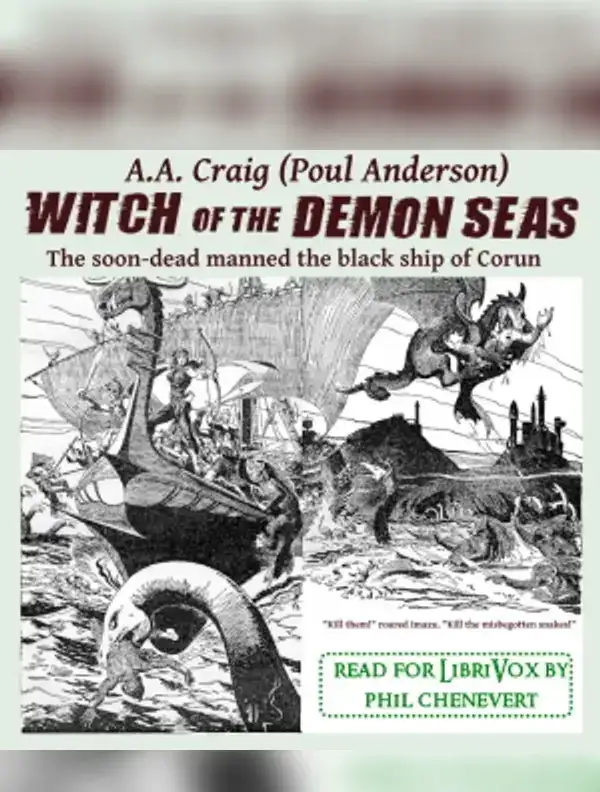
Pulp adventure fiction from the mid-twentieth century rarely strikes a balance between swashbuckling high-seas combat and looming eldritch dread quite as effectively as Poul Anderson’s early heroics. Written during the golden age of magazine fantasy, this tale delivers a swift, adrenaline-fueled voyage across uncharted horror.
Witch of the Demon Seas is a 1951 sword-and-sorcery novella by Poul Anderson. It follows Corun, a condemned pirate spared from execution to captain a black galleon toward the sinister Citadel of the Xanthi wizards. This fast-paced nautical fantasy is ideal for readers who enjoy vintage pulp adventures and dark ocean quests, though readers looking for modern, slow-paced worldbuilding may find it too brief.
| Attribute | Details |
|---|---|
| Author | Poul Anderson |
| First Published | 1951 (Planet Stories) |
| Genre | Sword and Sorcery / Nautical Fantasy |
| Narrative POV | Third-person limited |
| Primary Setting | The Demon Seas and the Citadel of Xanthi |
| Core Themes | Desperate bargains, nautical peril, dark magic, survival against impossible odds |
Plot Overview & Premise
The story opens in the kingdom of Conahur, where the rogue captain Corun awaits death at the headsman’s block. Faced with certain execution, Corun is offered a desperate alternative: pilot a dark galleon into treacherous, uncharted waters to reach the feared Citadel of the Xanthi sorcerers. Facing the jaws of doom on the open ocean is a death sentence in its own right, but for a condemned buccaneer, it offers a temporary reprieve and the slim chance of survival.
Corun accepts the mission, taking command of a cursed vessel and a motley crew. Accompanying him on this perilous voyage is a mysterious woman possessing sorcerous abilities—a witch whose true motives remain shrouded in secrecy. As the ship cuts through monster-haunted waters toward the stronghold of the Xanthi, Corun must navigate deadly storms, unnatural threats, and shifting alliances aboard his own vessel. The voyage becomes a race against time where martial prowess and cunning are the only shields against sinister magic.
Key Themes & Literary Analysis
Poul Anderson builds the narrative around classic pulp fantasy archetypes while infusing it with his trademark atmospheric intensity. Key thematic elements include:
- The Anti-Hero’s Utilitarian Survival: Corun is not motivated by noble ideals or chosen-one prophecy; his actions are driven by a pragmatic desire to live another day. This anti-heroic mindset anchors the narrative in raw, grounded stakes.
- Maritime Dread and the Unknown: By combining nautical exploration with supernatural horror, Anderson transforms the ocean into an active antagonist. The sea represents an untamed void where mortal skill is constantly tested by supernatural forces.
- Compact, High-Energy Storytelling: Published during the peak era of pulp fiction magazines, the story relies on rapid pacing, vivid sensory descriptions, and immediate action rather than long expository passages.
Who Should Read This?
This novella serves specific reading preferences depending on what you seek in fantasy fiction:
Recommended For:
- Fans of classic 1950s pulp fantasy writers like Robert E. Howard, Fritz Leiber, and Michael Moorcock.
- Readers who enjoy high-seas adventures infused with dark sorcery and uncanny monsters.
- Enthusiasts of fast-paced, standalone fantasy stories that can be finished in a single sitting.
Might Want to Skip If:
- You prefer sprawling epic fantasy series with dense political systems and extensive hard-magic rules.
- You dislike early mid-century narrative conventions and dramatic pulp prose styles.
Frequently Asked Questions
Is Witch of the Demon Seas part of a larger series?
No, it is a standalone sword-and-sorcery story originally published in pulp fiction magazines during the 1950s. Readers can enjoy the complete story without needing prior background knowledge of a broader series.
What is the overall tone of the story?
The tone is dark, action-driven, and suspenseful. It blends the gritty atmosphere of pirate fiction with supernatural horror and heroic fantasy combat.
How does this work compare to Poul Anderson’s later books?
While Poul Anderson later became famous for hard science fiction and Norse-inspired fantasy novels like The Broken Sword, this story showcases his early skill at writing fast-paced, action-oriented pulp fiction for magazine publication.