
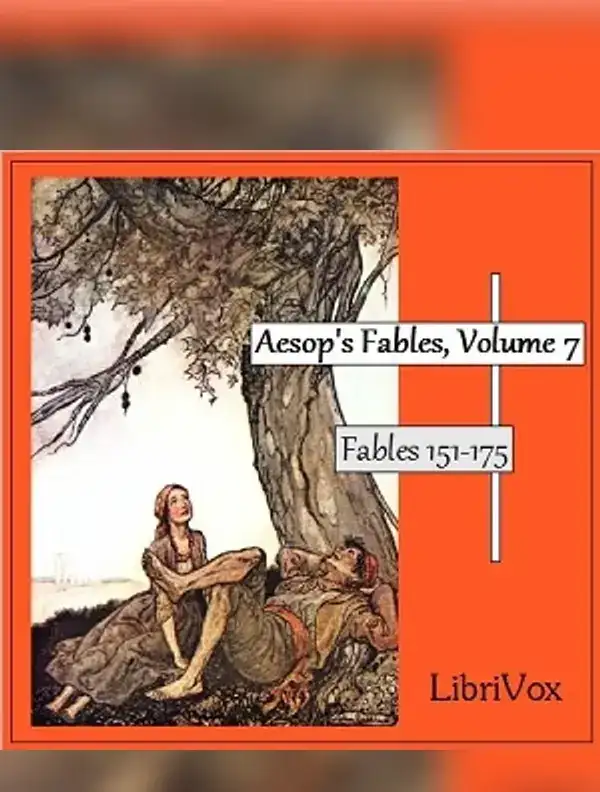
For over two millennia, simple animal allegories have served as humanity’s most sharp-edged mirror, exposing the absurdities of vanity, greed, and foolishness with ruthless brevity. In this seventh installment of classical fables, traditional lore captures essential truths about human behavior through short, memorable encounters between beasts, gods, and mortal men.
Aesop’s Fables, Volume 07 (Fables 151-175), attributed to the legendary ancient Greek storyteller Aesop, is a collection of 25 classical didactic tales exploring self-preservation, moral obligation, and social friction. Featuring world-famous stories like “The Grasshopper and the Ants” and “The Farmer and the Viper,” this volume is best for students of classic literature, ethicists, and parents teaching core values. Readers looking for intricate character development or sustained novelistic plots should look elsewhere.
| Author | Aesop (Attributed) |
|---|---|
| Era / Setting | c. 6th Century BCE (Ancient Greece) |
| Genre | Classical Allegory / Folktale / Didactic Literature |
| Main Themes | Foresight vs. Procrastination, Incurable Nature, Social Cohesion, Futility of Popular Approval |
| Target Audience | Educators, students of classical literature, philosophy enthusiasts, and children |
| Narrative POV | Third-Person Omniscient / Third-Person Moralist |
Plot Overview & Premise
Volume 07 gathers 25 succinct fables, each designed to illustrate a practical life lesson or ethical standard. Rather than presenting a continuous narrative, the collection offers self-contained vignettes that highlight specific human flaws and virtues through straightforward scenarios.
Several of the most famous allegories in Western folklore appear in this selection. In “The Grasshopper and the Ants,” a carefree grasshopper begs for food during winter, only to be turned away by industrious ants who spent the summer storing provisions. “The Farmer and the Viper” presents a compassionate villager who rescues a freezing snake, only to receive a fatal bite once the creature revives, demonstrating that kindness extended to malice often yields self-destruction.
Other notable selections emphasize social dynamics and self-awareness. “The Belly and the Members” uses bodily anatomy as a political metaphor to show how individual social classes rely on one another, while “The Miller, His Son and Their Ass” illustrates the impossibility of pleasing everyone when taking advice from every passerby. Through these concise scenarios, Aesop constructs an enduring toolkit for navigating real-world conflict and self-discipline.
Key Themes & Literary Analysis
The enduring power of these fables lies in their refusal to romanticize human nature. Aesop’s world is fundamentally pragmatic, governed by unyielding natural laws and predictable human behavior. Four central themes anchor this volume:
- The Inflexibility of Essential Nature: Tales like “The Farmer and the Viper” and “The Cobbler Turned Doctor” caution against expecting bad actors or untrained charlatans to change their underlying disposition merely because circumstances alter.
- Foresight and Personal Responsibility: “The Grasshopper and the Ants” contrasts short-term indulgence with long-term survival, establishing diligence as a vital requirement for personal security.
- Interdependence and Unity: In “The Belly and the Members,” Aesop delivers a clear defense of social order, arguing that no individual component of a community can thrive if the supporting central system is neglected.
- The Trap of Social Conformity: “The Miller, His Son and Their Ass” highlights the folly of constantly modifying one’s choices to satisfy external critics, resulting in total failure and loss of agency.
Literally, Aesop utilizes stark contrast and immediate consequence. The narrative style eliminates detailed background descriptions, focusing entirely on action and result. By projecting human vices onto animals—such as lions, wolves, and jackdaws—the fables allow readers to evaluate moral failings objectively without personal bias.
Who Should Read This?
This collection remains an essential piece of foundational literature, though its appeal varies depending on reader goals.
Pros:
- Delivers timeless, highly practical moral lessons in brief, easily digestible formats.
- Includes some of the most recognized stories in Western classical literature.
- Excellent resource for public speaking, ethical discussions, and primary education.
Cons:
- Extremely simple prose structure lacks narrative depth or detailed characterization.
- Repetitive moralizing may feel heavy-handed to modern readers seeking complex narratives.
Frequently Asked Questions
Is Volume 07 a standalone story or part of a series?
While published as the seventh part of a larger compilation, each fable within Volume 07 is entirely self-contained and can be read independently without prior context.
What age group are these fables suitable for?
Aesop’s fables are accessible to readers of all ages. Young children benefit from the simple animal characters, while adult readers can appreciate the sharper socio-political critiques hidden within the text.
Why are animal characters used so frequently in these stories?
Using anthropomorphic animals allowed ancient storytellers to represent distinct human traits (such as wolfish greed or ant-like industry) plainly, making the moral lessons instantly recognizable across different cultures and eras.