
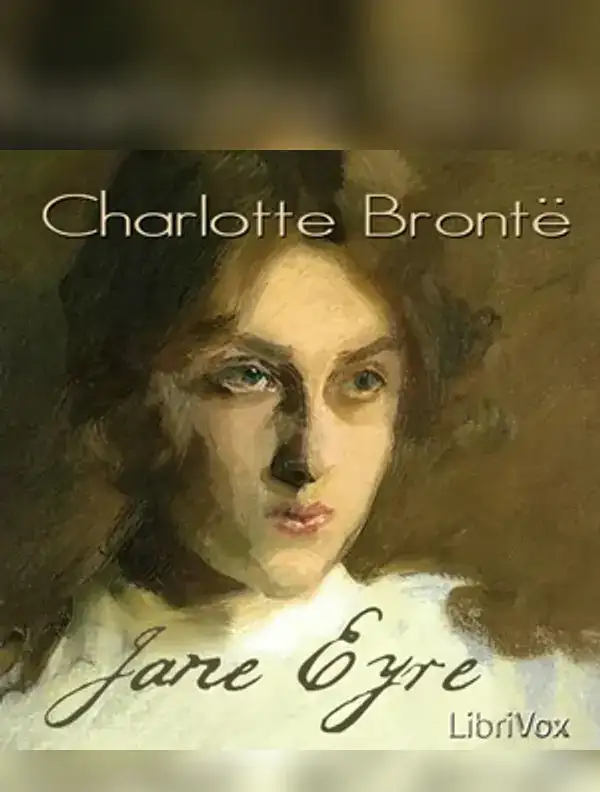
Few nineteenth-century heroines maintain their moral integrity and fierce independence under severe systemic oppression quite like Charlotte Brontë’s resilient orphan. Published in 1847 under the pseudonym Currer Bell, Jane Eyre transformed the Victorian Bildungsroman by giving voice to an unyielding female consciousness demanding emotional equality, personal autonomy, and spiritual truth.
Jane Eyre by Charlotte Brontë is a seminal Gothic romance and coming-of-age novel following an impoverished orphan from her abusive childhood at Gateshead and Lowood School to her role as governess at Thornfield Hall. Her passion for the brooding Edward Rochester is derailed by a hidden marriage and societal constraints. Best suited for readers of classic Gothic literature, psychological drama, and feminist narrative arcs; those seeking light, fast-paced contemporary fiction may find the Victorian prose dense.
| Metadata Field | Details |
|---|---|
| Author | Charlotte Brontë |
| Original Publication Year | 1847 |
| Genre & Sub-genre | Gothic Romance, Bildungsroman, Victorian Social Realism |
| Narrative Perspective | First-person retrogressive narration (Jane as an adult recounting her life) |
| Primary Setting | Victorian England (Gateshead Hall, Lowood School, Thornfield Hall, Moor House, Ferndean) |
| Core Themes | Autonomy vs. Servitude, Passion vs. Religious Duty, Social Class Stratification, Gender Equality |
| Target Audience | Literary fiction enthusiasts, classic romance readers, historical fiction scholars |
Plot Overview & Premise
The narrative of Jane Eyre unfolds across five distinct geographic and psychological stages, charting the growth of a marginalized woman fighting for self-determination in a rigid class structure.
1. Gateshead Hall & Lowood School
Orphaned at a young age, Jane is raised by her cruel aunt, Mrs. Reed, and tormented by her cousin John. Imprisoned in the frightening “Red-room” after defending herself, Jane experiences a traumatic emotional breakdown. She is eventually exiled to Lowood School, a charitable institution managed by the hypocritical Mr. Brocklehurst. Despite severe malnutrition and an outbreak of typhus that claims her saintly friend Helen Burns, Jane draws strength from her mentor, Miss Temple, and spends eight years at Lowood as student and teacher.
2. Thornfield Hall & Mr. Rochester
Seeking independence, Jane secures a position as governess to Adèle Varens, the young ward of Edward Rochester, master of Thornfield Hall. Rochester is an eccentric, traveled, and intense figure. A deep psychological bond develops between Jane and Rochester, forged through intellectual sparring and shared vulnerability. Mysterious events haunt the manor—strange laughs in the night, a violent attack on Mr. Mason, and an attempted arson in Rochester’s bedchamber. Rochester eventually proposes marriage, which Jane accepts, believing she has found her true equal.
3. The Secret & Moor House
The wedding ceremony is dramatically halted when a local attorney reveals that Rochester is already legally married. His wife, Bertha Mason, is a mentally ill woman kept concealed in the attic under the care of Grace Poole. Devastated and unwilling to become Rochester’s mistress—which would compromise her core principles and self-respect—Jane flees Thornfield penniless. She is rescued at death’s door by the Rivers siblings (St. John, Diana, and Mary) at Moor House. Jane works as a village schoolmistress, discovers her long-lost cousins, and inherits a fortune from an uncle.
4. St. John’s Proposal & The Resolution
St. John Rivers, a cold and dedicated missionary, requests Jane’s hand in marriage to accompany him to India. Recognizing that marrying St. John would kill her spirit and subordinate her individuality to his pious duty, Jane refuses. Hearing a supernatural voice calling her name across the moors, Jane returns to Thornfield, only to find it burned to the ground by Bertha Mason, who perished in the fire. Rochester, now blind and missing a hand from attempting to save the servants, lives in seclusion at Ferndean. Free from financial dependency and moral conflict, Jane unites with Rochester on equal footing.
Key Themes & Literary Analysis
- Autonomy and Individual Worth: Jane continuously asserts her inherent human dignity regardless of economic status or gender. Her famous declaration to Rochester—“I am no bird; and no net ensnares me; I am a free human being with an independent will”—captures the novel’s central battle for female agency.
- The Dualism of Passion and Reason: Charlotte Brontë contrasts the unchecked passion of Rochester and Bertha Mason against the icy, unyielding stoicism of St. John Rivers. Jane’s journey is an attempt to synthesize these opposing forces, rejecting both lawless desire and cold asceticism.
- Gothic Tropes and Psychological Realism: Brontë employs classic Gothic motifs—haunted halls, ominous laughter, red rooms, and ruinous blights—not merely for suspense, but as physical manifestations of psychological trauma, repressed rage, and social entrapment.
- Class and Gender Critique: As a governess, Jane occupies a ambiguous middle-class space—educated yet financially dependent. The novel critiques Victorian society’s treatment of educated women who possessed few respectable means to support themselves outside of marriage.
Who Should Read This?
Recommended For:
- Readers who appreciate rich character studies focused on inner strength and ethical conviction.
- Fans of Gothic atmosphere, Victorian social critique, and classic romance stories built on mutual intellectual respect.
- Students and scholars exploring the evolution of female voices in 19th-century European literature.
Considerations & Potential Drawbacks:
- Dense Victorian Syntax: The prose relies on complex sentence structures, Latinate vocabulary, and extensive dialogue that require patient reading.
- Pacing: The long sequences detailing Jane’s childhood and her time at Moor House shift focus away from the central romance at Thornfield Hall.
Frequently Asked Questions
Is Jane Eyre a standalone novel or part of a series?
Jane Eyre is a complete standalone novel. While Charlotte Brontë wrote other acclaimed works such as Villette and Shirley, her narrative regarding Jane Eyre begins and concludes entirely within this single volume.
What makes Jane Eyre significant in feminist literary history?
The novel broke ground by presenting a plain, financially disadvantaged heroine who insists on moral, emotional, and spiritual equality with men. Rather than relying on rescue by a male figure or conforming to submissive Victorian ideals, Jane demands autonomy and self-determination above personal comfort.
What is the central conflict between Jane and Edward Rochester?
The core conflict stems from Rochester’s existing secret marriage to Bertha Mason. When Jane discovers Rochester is already married, her personal ethics prevent her from remaining as his mistress, forcing her to choose between her deep love for him and her unyielding commitment to her own self-respect and moral integrity.