
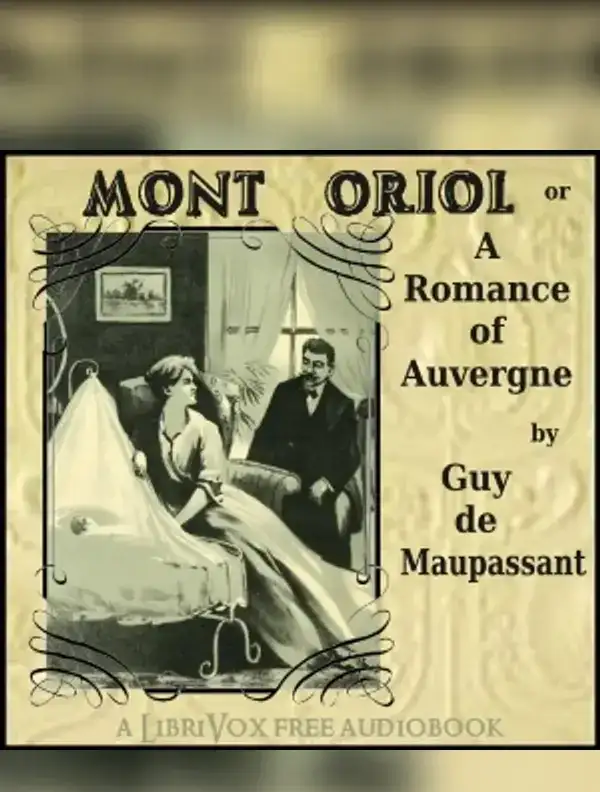
Guy de Maupassant’s third novel exposes the cold transactionality hidden behind French high society’s polite facades, where emotional intimacy and financial ambition collide in the picturesque mountains of Auvergne.
Mont Oriol (1887) by Guy de Maupassant is a realist novel that satirizes medical charlatanism and capitalist speculation while chronicling a tragic extramarital affair. Set in a newly developed French spa town, the narrative follows Christiane Andermatt as she navigates her husband’s ruthless commercial enterprise and her lover’s fickle passions. This book is best for readers who enjoy sharp 19th-century French social critique, realist character studies, and literary satire; casual readers looking for an upbeat romantic tale may wish to pass.
| Field | Details |
|---|---|
| Author | Guy de Maupassant |
| Original Publication Year | 1887 |
| Genre | Realist Fiction / Social Satire |
| Setting | Enval, Auvergne, France |
| Main Themes | Capitalist Speculation, Medical Charlatanism, Illusion of Romantic Love, Female Isolation |
| Narrative POV | Third-person Omniscient |
| Target Audience | Enthusiasts of French literature, classic realism, and socio-economic satires |
Plot Overview & Premise
The story opens as Christiane Andermatt, a young married woman, arrives at the sleepy thermal spring village of Enval in Auvergne to seek treatment for her childlessness. Accompanied by her father, the Marquis de Ravenel, and her husband, William Andermatt—a calculating Parisian banker—Christiane is subjected to absurd medical rituals prescribed by opportunistic local doctors eager to profit from wealthy tourists.
When a peasant named Father Oriol blasts a rock on his property, a powerful new thermal spring erupts. Recognizing an extraordinary financial opportunity, William Andermatt maneuvers to buy up the surrounding land, outsmart the local peasant family, and establish a rival hydrotherapy resort named “Mont Oriol.” While William submerges himself entirely in land deeds, stock transfers, and corporate organization, Christiane finds herself emotionally abandoned.
Enter Paul de Brétigny, an idealist and friend of Christiane’s brother, Gontran. Intense, romantic, and poetic, Paul sweeps Christiane into a passionate love affair amidst the rugged Auvergne landscape. However, as the new spa complex flourishes into a bustling commercial center, the romantic illusion crumbles. Christiane becomes pregnant with Paul’s child, only to watch his intense devotion abruptly shift toward Charlotte Oriol, the young daughter of the local peasant family whose fortune William helped build. As Christiane endures physical weakness and emotional devastation, she comes to realize the harsh reality of human self-interest.
Key Themes & Literary Analysis
1. Capitalist Commodification and Greed
Maupassant draws a direct parallel between the exploitation of nature and the exploitation of human beings. The peaceful, natural landscape of Auvergne is carved up, dynamic spring waters are channeled into pipes, and local peasant land is snatched up by urban financiers. William Andermatt views everything—including marriage, health, and local heritage—strictly through the lens of profit and market evaluation.
2. The Medical Profession as a Financial Racket
With biting humor, Maupassant caricatures the doctors running the Enval spa. The physicians invent conflicting diagnoses, prescribe ridiculous regimens, and alter their opinions based entirely on which resort owner pays them better. Health is turned into a luxury luxury product, highlighting the absurdity of late 19th-century hydrotherapy trends.
3. Fickle Passion vs. Emotional Isolation
In contrast to the romantic novels of the era, Maupassant presents passion as a temporary, volatile emotion. Paul de Brétigny treats love as an intoxicating ideal rather than a deep commitment. Once Christiane becomes vulnerable through pregnancy, Paul’s idealization fades, leaving her completely isolated. Christiane’s final emotional awakening marks her transition from a naive romantic to a realistic woman who understands the self-centered nature of those around her.
Who Should Read This?
- Recommended for: Fans of classic 19th-century French literature (such as Gustave Flaubert or Émile Zola), readers who appreciate biting satire on wealth and society, and those interested in realistic character explorations.
- Skip if: You are seeking a traditional romance with a happy ending, fast-paced action, or modern comedic tone.
Frequently Asked Questions
Is Mont Oriol a standalone novel?
Yes, Mont Oriol is a standalone novel written by Guy de Maupassant. While it shares thematic elements with his other works regarding French society and human weakness, it requires no prior reading of his short stories or novels.
What is the primary conflict in the book?
The primary conflict revolves around the dual tracks of financial ambition and emotional betrayal. Externally, Parisian speculators attempt to manipulate local peasants to build a lucrative spa; internally, Christiane struggles against emotional isolation and the heartbreak of her lover shifting his affections elsewhere.
How does Maupassant portray marriage in Mont Oriol?
Maupassant presents marriage largely as a transactional social arrangement. Christiane’s marriage to William is rooted in financial alignment rather than affection, leading both partners to pursue their true interests separately—William through financial enterprise and Christiane through secret romance.