
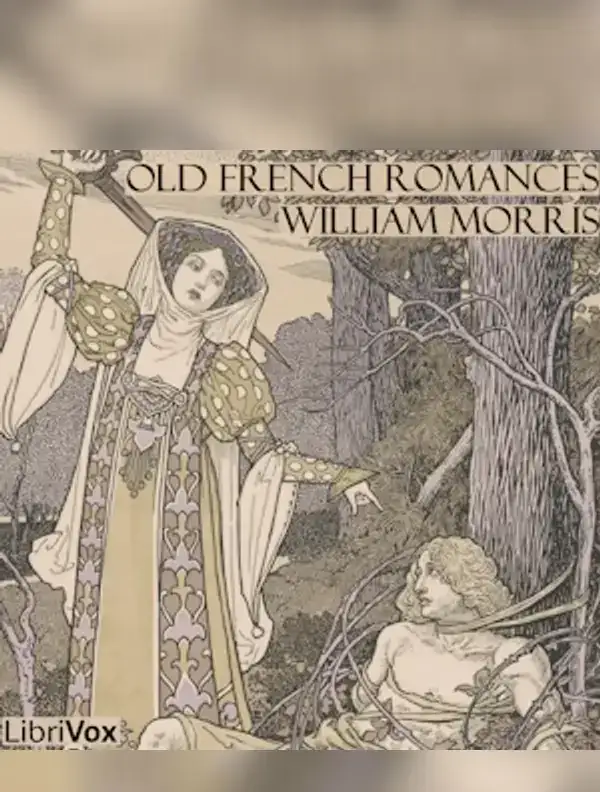
When Victorian polymath William Morris set out to translate a quartet of thirteenth-century French prose tales in 1896, he was breathing Pre-Raphaelite vigor into foundational European narrative archetypes.
Old French Romances, translated by William Morris, is a collection of four medieval prose narratives spanning chivalric adventure, miraculous twists of fate, and profound moral trials. Set across medieval Europe and the Mediterranean, the work foregrounds themes of unbreakable loyalty, divine destiny, and repentance. It is ideal for readers of medieval literature and Pre-Raphaelite prose, though readers seeking modern narrative pacing or historical realism may find it difficult to engage with.
| Metadata Field | Details |
|---|---|
| Translator / Adapter | William Morris (from 13th-century Old French originals) |
| Original Publication Year | 1896 (Kelmscott Press edition) |
| Genre / Sub-genre | Medieval Romance / Chivalric Folklore / Classic Literature |
| Main Themes | Radical Loyalty, Divine Providence, Repentance & Betrayal, Medieval Chivalry |
| Target Audience | Scholars of medievalism, fans of folklore, and readers of Victorian fantasy roots |
| Narrative Point of View | Third-person omniscient / Folkloric storyteller |
Plot Overview & Premise
The anthology brings together four distinct narratives, each capturing the moral imagination and romantic idealism of the High Middle Ages through William Morris’s distinctive, archaized prose style.
1. The Tale of King Coustans the Emperor
This pseudo-historical legend recounts the miraculous rise of an abandoned child named Coustans. Despite attempts by a tyrant to alter fate and execute the child, divine providence intervenes through altered letters and sudden reversals, eventually elevating Coustans to the throne of the Byzantine Empire.
2. The Friendship of Amis and Amile
A classic tale of radical devotion, this narrative centers on two identical knights whose bond transcends ordinary human limits. When political treachery and severe trials threaten their lives—including sickness and impossible moral dilemmas—their absolute loyalty to one another prompts extraordinary sacrifices that are ultimately rewarded by divine grace.
3. The Tale of King Florus and the Fair Jehane
Constructed through twin narrative arcs, this romance explores King Florus’s longing for an heir alongside the quest of Jehane and her husband, Robin. After falling victim to a cruel bet betrothed by a deceitful knight, Jehane disguises her identity and works tirelessly to vindicate her name and restore honor to her marriage.
4. The History of Over Sea
Set across the bustling trade routes and holy sites of the medieval Mediterranean, this final narrative weaves together pilgrimage, marital betrayal, high-seas adventure, and spiritual redemption, illustrating how divine mercy can restore lives fractured by malice.
Key Themes & Literary Analysis
William Morris approached these medieval texts not as clinical translation exercises, but as living artifacts of imaginative storytelling. His choice of diction deliberately mimics the cadence and syntax of Middle English, creating an intentionally remote, mythic atmosphere that complements the subject matter.
- Divine Providence vs. Human Malice: Throughout all four stories, human conspiracies—whether forged by jealous nobles or deceitful suitors—are consistently dismantled by a higher moral order operating in the background.
- The Sacred Duty of Friendship: In Amis and Amile, companionship is elevated to a spiritual virtue that demands total selflessness, challenging post-chivalric definitions of individual self-interest.
- Identity, Masking, and Virtue: Characters like Jehane use disguise and labor not to deceive for gain, but to preserve their integrity and survive in a world governed by arbitrary feudal judgments.
Who Should Read This?
Recommended For:
- Enthusiasts of Arthurian lore, medieval folklore, and European heroic legends.
- Readers interested in Victorian literary history and William Morris’s influence on modern fantasy.
- Students of medieval narrative structures and comparative literature.
Who Might Want to Skip:
- Readers who dislike intentionally archaic or stylized English prose.
- Those seeking fast-paced modern plotlines or realistic historical fiction.
Frequently Asked Questions
Are these stories historically accurate depictions of medieval events?
No, these tales are romantic legends and folklore rather than rigorous historical accounts. They prioritize spiritual truths, heroic virtues, and dramatic coincidences over factual records of the Byzantine or Mediterranean courts.
How does William Morris’s translation style affect the reading experience?
Morris uses a stylized, intentionally archaic vocabulary that evokes the atmosphere of medieval manuscripts. While rich and poetic, this style requires a deliberate reading pace compared to contemporary translations.
What central theme unites all four tales in this collection?
The central unifying force across the collection is the triumph of unwavering fidelity and divine justice over human deceit, demonstrating how moral integrity ultimately prevails through extraordinary hardship.