
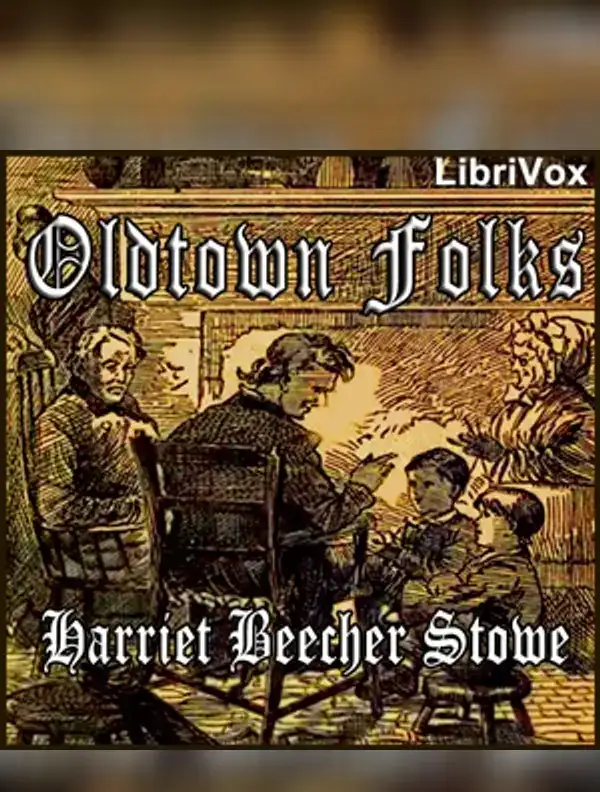
When Harriet Beecher Stowe published her seventh novel in 1869, she turned away from the national political firestorms surrounding slavery to reconstruct the quiet, vanishing world of late 18th-century New England. Through the nostalgic eyes of narrator Horace Holyoke, the narrative captures the intellectual, spiritual, and social rhythms of early post-Revolutionary America.
Oldtown Folks by Harriet Beecher Stowe is a classic regional realism novel exploring the cultural and religious shifts in post-Revolutionary Massachusetts. Centered on young orphans Harry and Tina and narrator Horace Holyoke, the story details the friction between rigid Calvinism, emerging rationalism, and Anglicanism. This book is best for readers interested in 19th-century American history, theological evolution, and local color literature, while those looking for a fast-paced, plot-heavy thriller may want to skip it.
| Field | Details |
|---|---|
| Author | Harriet Beecher Stowe |
| Original Publication Era | 1869 (19th-Century American Literature) |
| Genre | Regional Realism / Local Color Fiction / Historical Fiction |
| Narrative POV | First-person (Horace Holyoke) |
| Main Themes | Calvinism vs. Arminianism, Post-Revolutionary Identity, Village Folklore, Orphanhood |
| Target Audience | Enthusiasts of early American history, theological studies, and New England literature |
Plot Overview & Premise
Set in the fictionalized Massachusetts village of Oldtown (based on Natick), the story is framed through the recollections of Horace Holyoke as he reflects on growing up during the Federalist period following the Revolutionary War. The village is populated by distinct regional figures, ranging from stern Puritan traditionalists to easygoing storytellers like Sam Lawson, the local “do-nothing” who knows every piece of folklore in the township.
The core narrative arc begins when two young, neglected orphans, Harry and Tina Percival, escape from tyrannical guardians—the harsh Miss Asphyxia and Old Crab Smith. The compassionate residents of Oldtown intervene to protect the children. Tina is taken in by Miss Mehitable, while Harry is embraced by the community and given educational opportunities alongside Horace.
As the children mature into young adults, they transition from the rural village to an academy in “Cloudland” and eventually into college life. Along the way, they encounter influential figures who embody the intellectual crosscurrents of the age, including the charming yet morally ambiguous Ellery Davenport. The novel follows their personal growth, shifting romantic inclinations, and ultimate choices against the backdrop of an evolving nation trying to reconcile its austere religious heritage with new secular philosophies.
Key Themes & Literary Analysis
Harriet Beecher Stowe drew heavily on the real-life childhood memories of her husband, Professor Calvin Stowe, to craft one of the earliest examples of American local color fiction. Rather than relying on high melodrama, the novel excels in its sociological and psychological examination of early New England life.
- The Decline of Rigid Calvinism: A major thematic focus of the work is the conflict between traditional Calvinist theology and more humane, emotional approaches to faith. Stowe illustrates how strict doctrines of election and damnation affected everyday believers, using characters’ personal spiritual struggles to advocate for a more compassionate Christianity.
- Preservation of Regional Folklore: Through figures like Sam Lawson, Stowe captures authentic dialect, domestic customs, and fireside ghost stories. This detailed preservation established a foundation for later regional writers like Sarah Orne Jewett and Mary Eleanor Wilkins Freeman.
- Post-Revolutionary Cultural Identity: The novel documents a transitional era where community members wrestled with loyalty to traditional colonial institutions while adapting to the democratic, rationalist ideas introduced by the nation’s Founders.
Who Should Read This?
Recommended For:
- Readers interested in early American social history, New England heritage, and 19th-century regionalism.
- Students and scholars studying the evolution of American religious thought and the shift away from strict Puritan doctrine.
- Fans of character-driven, conversational prose that offers detailed descriptions of village life and local customs.
Who Might Want to Skip:
- Readers seeking action-driven plots or high-stakes suspense, as the narrative favors anecdotal and reflective pacing.
- Those who prefer minimal theological dialogue, as substantial portions of the text consist of religious discussions and philosophical debates.
Frequently Asked Questions
Is Oldtown Folks based on a true story?
While the characters and plotlines are fictional, the novel relies extensively on the actual childhood memories and family stories of Stowe’s husband, Calvin Stowe, who grew up in post-Revolutionary Natick, Massachusetts.
What makes this book significant in American literary history?
It stands as one of the pioneer works of New England “local color” writing, helping establish regional realism as a major literary movement in 19th-century American fiction.
Is this novel related to Uncle Tom’s Cabin?
No, it is a standalone novel. While both works were written by Harriet Beecher Stowe, Oldtown Folks shifts focus away from the anti-slavery campaign to examine religious, domestic, and social life in early Massachusetts.