
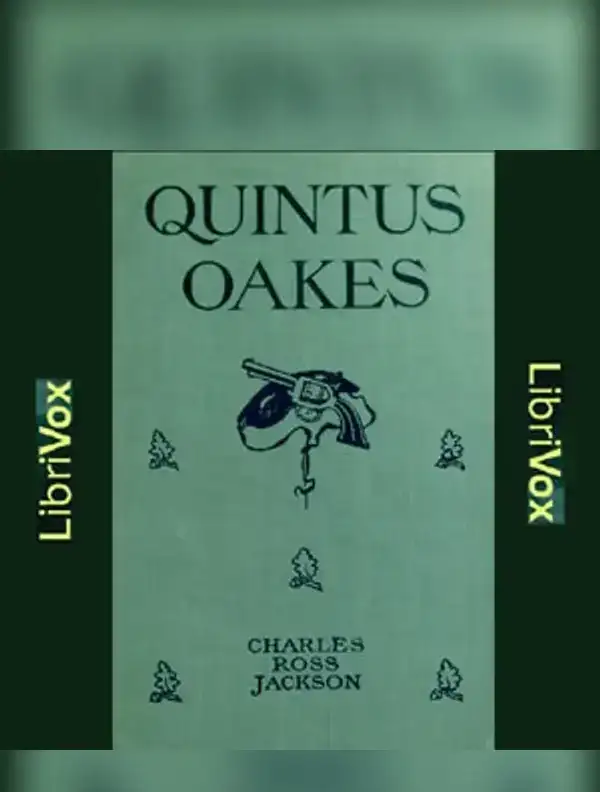
When rumors of supernatural dread collide with cold, analytical deduction, the classic detective novel reaches its most thrilling potential. Charles Ross Jackson’s 1904 novel Quintus Oakes: A Detective Story captures this tension, delivering an intricate manor-house mystery wrapped in heavy gothic atmosphere.
Quintus Oakes: A Detective Story by Charles Ross Jackson is an early 20th-century mystery that blends gothic psychological terror with logical deduction. When unexplainable midnight footsteps, violent assaults, and an unexpected murder strike a secluded estate, detective Quintus Oakes intervenes to unmask the human conspirators behind perceived ghostly hauntings. This book is best for enthusiasts of turn-of-the-century detective literature and traditional locked-estate mysteries, while readers seeking modern high-speed thriller pacing may find its classic prose style deliberate.
| Metadata Field | Details |
|---|---|
| Author | Charles Ross Jackson |
| Original Publication Era | 1904 (Turn-of-the-Century / Edwardian Era) |
| Genre / Sub-genre | Classic Detective Fiction / Gothic Mystery |
| Main Themes | Rationalism vs. Superstition, Psychological Manipulation, Family Secrets, Manor House Crime |
| Target Audience | Fans of classic sleuths (Sherlock Holmes era), historical murder mysteries, and gothic crime stories |
| Narrative POV | Third-person investigation narrative |
Plot Overview & Premise
The story opens amid escalating terror at a wealthy country manor. A series of unexplainable nocturnal intrusions and violent physical assaults have shaken the household to its core. The mistress of the estate has been driven to near-madness by paralyzing fear, tormented by reports of shadowy figures vanishing down dark corridors and heavy, deliberate treads echoing on the staircase in the dead of night. Domestic servants quickly attribute the phenomena to restless spirits and supernatural curses.
The situation turns lethal when an assault escalates into cold-blooded murder. With local authorities baffled and terror paralyzing the household, brilliant investigator Quintus Oakes is summoned to take charge. Oakes quickly rejects supernatural explanations, suspecting that human greed, hidden motives, and calculated malice are at play.
Through systematic inquests, cellar explorations, night watches, and clever tactical ruses, Oakes slowly untangles a web of deceit. He confronts false witnesses, sifts through deceptive clues, and probes psychological anomalies—including references to “the insane root” that warps human judgment—until he corners the perpetrator into a dramatic confession, restoring order to the shattered estate.
Key Themes & Literary Analysis
- Rationalism versus Gothic Superstition: A central conflict in the novel is the tension between popular fear of the occult and logical scientific investigation. While the household panics over phantom treads and ghostly apparitions, Quintus Oakes maintains that every physical effect has a human cause.
- Psychological Warfare and Dread: Jackson emphasizes psychological terror over mere physical violence. The deliberate campaign to break the mistress’s sanity highlights how fear can be weaponized as effectively as a physical blade or firearm.
- The Turn-of-the-Century Sleuth Archetype: Quintus Oakes represents the early 1900s detective ideal—cool-headed, observant, skilled in psychological maneuvers, and capable of seeing through elaborate misdirection where conventional observers see chaos.
Who Should Read This?
Recommended For:
- Aficionados of vintage crime fiction written during the Golden Age precursor era.
- Readers who enjoy atmospheric, estate-bound mysteries featuring spooky corridors, cellar secrets, and clever detective tricks.
- Fans of classic puzzle-box whodunits where reason ultimately triumphs over apparent supernatural occurrences.
Who Might Want to Skip:
- Readers looking for modern forensic procedurals or explicit, fast-paced action thrillers.
- Those who prefer true supernatural horror rather than mysteries resolved through rational explanation.
Frequently Asked Questions
Is Quintus Oakes a recurring detective character?
Yes, Quintus Oakes appears as Charles Ross Jackson’s central detective protagonist across multiple mystery stories published in the early 1900s, functioning similarly to classic fictional sleuths of that literary period.
Does the novel feature genuine supernatural events?
No, while the narrative heavily uses eerie gothic tropes, unexplained footsteps, and superstitious rumors, Quintus Oakes ultimately uncovers rational human motives and physical mechanisms behind every mysterious occurrence.
What era of mystery literature does this book represent?
The novel represents the turn-of-the-century American detective tradition, heavily influenced by late-Victorian locked-room mysteries and early 20th-century analytical sleuthing popularized by contemporary crime authors.