
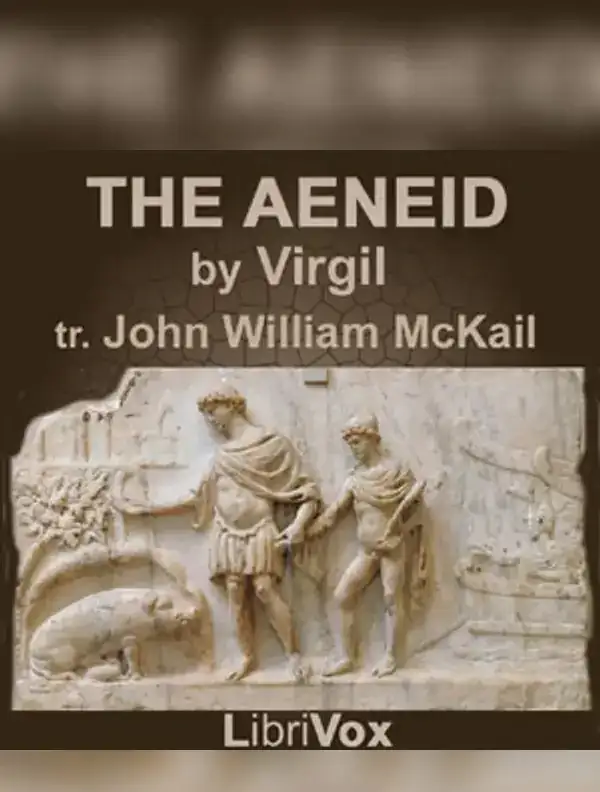
When Troy burned, its surviving prince did not merely flee into history—he carried the blueprint of the Roman Empire across a tempestuous Mediterranean. Virgil’s ancient epic, rendered into clear English in J.W. Mackail’s classic prose translation, follows Aeneas on a divinely decreed journey from the ashes of Ilium to the shores of Latium. This foundational text of Western literature balances heroic warfare with the crushing personal weight of national destiny.
Quick Summary: The Aeneid (prose translation by J.W. Mackail, originally authored by Virgil in the 1st century BC) is a Roman epic poem recounting the flight of Aeneas from Troy to Italy, where he lays the foundations for the Roman race. Perfect for scholars, literature enthusiasts, and classicists, though readers accustomed to fast-paced modern narrative fiction may find its formal structure and extensive genealogical passages demanding.
| Metadata Field | Details |
|---|---|
| Original Author | Virgil (Publius Vergilius Maro) |
| Translator | J. W. Mackail |
| Original Composition Date | 29–19 BC |
| Genre | Classical Epic / Roman Mythology / Heroic Literature |
| Structure | 12 Books (Prose Rendering) |
| Narrative Perspective | Third-person Omniscient |
| Core Themes | Pietas (Duty), Fate vs. Personal Desire, Empire, Divine Intervention |
| Primary Target Audience | Classicists, literary history readers, students of epic poetry |
Plot Overview & Premise
The narrative of The Aeneid divides cleanly into two thematic halves, echoing Homer’s Odyssey in its first six books and the Iliad in its final six. The story opens in media res as the goddess Juno, harboring an ancient grudge against Troy, unleashes a storm against the surviving Trojan fleet. Driven off course to Carthage, Aeneas is welcomed by Queen Dido. At her request, Aeneas recounts the tragic fall of Troy, the trickery of the Trojan Horse, and his flight with his father Anchises and son Ascanius.
A tragic romance develops between Dido and Aeneas under the influence of divine manipulation. However, Jupiter sends Mercury to remind Aeneas of his higher destiny in Italy. Bound by duty, Aeneas departs, leaving a devastated Dido to take her own life upon a funeral pyre. Continuing his voyage, Aeneas lands in Cumae and descends into the Underworld with the Sibyl. There, his late father Anchises reveals a vision of future Roman history, instilling Aeneas with renewed resolve.
Upon reaching Latium, King Latinus welcomes the Trojans and offers his daughter Lavinia in marriage to Aeneas. Juno intervenes once more, inciting King Turnus of the Rutulians—Lavinia’s former suitor—to declare war. The conflict escalates into brutal battle across the Italian countryside. Aeneas secures alliances with King Evander and receives divine armor forged by Vulcan. The epic culminates in a fierce single combat between Aeneas and Turnus, where the Trojan hero chooses vengeance over mercy, securing the lineage that will eventually build Rome.
Key Themes & Literary Analysis
- The Virtue of Pietas: Unlike the passionate, self-interested heroism of Achilles or Odysseus, Aeneas embodies pietas—a Roman virtue emphasizing devotion to duty, gods, family, and country above personal desires. Aeneas repeatedly sacrifices his own happiness (most notably his love for Dido) to fulfill his divinely appointed destiny.
- The Shadow of Imperial Destiny: Written during the reign of Augustus Caesar, the poem serves as both a national epic and an exploration of empire. Virgil frames Rome’s rise as inevitable and glorious, yet he never obscures the horrific cost of war, exile, and human loss required to establish order.
- Divine Favor and Interference: The pantheon of gods acts as both puppet masters and catalysts for human tragedy. Juno represents chaotic emotional force and resistance to destiny, while Venus and Jupiter represent divine favor and inescapable fate (*fatum*).
- Prose Translation Style: J.W. Mackail’s prose rendering translates Virgil’s Latin dactylic hexameter into fluid, dignified English prose. By removing line-by-line poetic constraints, Mackail offers readers direct access to the narrative progression and philosophical subtext while retaining a formal, elevated tone.
Who Should Read This?
This prose edition is an exceptional entry point for readers who want to experience Virgil’s story without wrestling with poetic meter. It is tailored for:
- Students and Classicists: Anyone studying Western canon, Roman history, or classical literature.
- Mythology Enthusiasts: Readers interested in the direct continuation of Trojan War mythologies.
- Historical Fiction Fans: Readers curious about ancient Roman founding myths and political ideology.
Pros: Clear prose structure makes complex plot lines accessible; preserves the epic scope and emotional weight; ideal for academic research and quick reference.
Cons: Lacks the original Latin poetic meter; extensive lists of warriors and lineages in later books can slow narrative pacing for general readers.
Frequently Asked Questions
Is this translation written in verse or prose?
This edition is J.W. Mackail’s classic prose translation. It renders Virgil’s original Latin hexameter poetry into continuous, readable English prose while retaining an elevated classical tone.
Do I need to read Homer’s Iliad or Odyssey before reading Virgil’s Aeneid?
While not strictly necessary, reading Homer’s epics provides helpful context. The first six books of The Aeneid parallel the sea-wandering structure of the Odyssey, while the final six books mirror the wartime conflicts of the Iliad.
What is the primary moral conflict faced by Aeneas?
The central conflict for Aeneas lies between personal desire and duty (*pietas*). He must repeatedly abandon personal safety, love, and comfort to fulfill his fate as the founder of the lineage that builds Rome.