
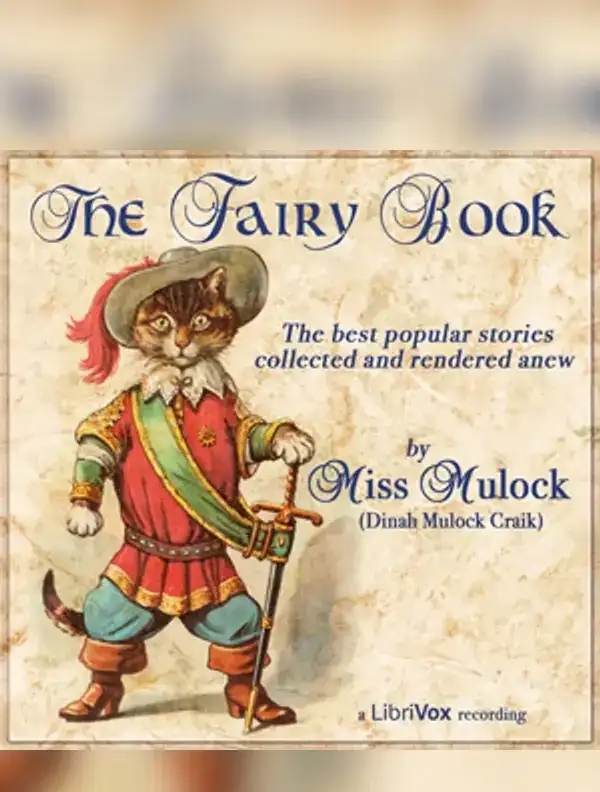
Victorian literary figures frequently attempted to standardize raw oral folklore into structured prose, but few accomplished this with the narrative clarity and gentle charm found in Dinah Maria Mulock Craik’s 1863 anthology. Rather than rewriting these ancient narratives to suit contemporary fads, Craik selected thirty-six of the most enduring stories from French, German, and English traditions, presenting them in a clean, accessible voice that captured the imagination of generations.
*The Fairy Book*, compiled by Dinah Maria Mulock Craik, is a classic anthology featuring thirty-six foundational fairy tales drawn from the works of Charles Perrault, the Brothers Grimm, Madame d’Aulnoy, and traditional oral folklore. Ranging from famous legends like Cinderella and Jack the Giant Killer to lesser-known treasures such as Riquet with the Tuft and The Hind of the Forest, the collection highlights central conflicts of moral resilience, transformation, and triumph over tyranny. Best for: Enthusiasts of classic folklore, researchers of Victorian children’s literature, and families seeking traditional read-aloud fairy tales. Skip if: You prefer subverted modern retellings, dark grimdark fantasy, or contemporary pacing.
| Metadata Field | Details |
|---|---|
| Author / Compiler | Dinah Maria Mulock Craik |
| Original Publication Year | 1863 |
| Genre | Folklore Anthology / Fairy Tales / Children’s Literature |
| Key Themes | Virtue vs. Malice, Inner Transformation, Rewarded Ingenuity, Fate and Consequences |
| Target Audience | Folklore readers, literary historians, middle-grade readers, families |
| Narrative Point of View | Third-Person Omniscient / Traditional Oral Storytelling |
Plot Overview & Premise
The Fairy Book gathers thirty-six timeless stories into a single comprehensive volume, capturing the full spectrum of classic European folklore. Craik brought together widely recognized masterpieces alongside obscure regional legends, ensuring that readers could experience both familiar cautionary tales and complex fantastical adventures.
The collection includes household favorites such as The Sleeping Beauty in the Wood, Puss in Boots, Little Red-Riding-Hood, and Jack and the Bean-Stalk. Alongside these, Craik introduces broader continental traditions through stories like The Blue Bird, The Iron Stove, Graciosa and Percinet, and The Yellow Dwarf. The stories follow recognizable folktale archetypes: impoverished youngest children who outwit oppressive giants, virtuous princesses imprisoned by envious stepmothers, and foolish royals forced to learn humility through enchantment.
By maintaining the straightforward logic of traditional oral storytelling—where kindness is rewarded, cruelty is punished, and magic operates under strict, unbreakable rules—Craik created an anthology that functions as a definitive gateway into classic fairy-tale mythology.
Key Themes & Literary Analysis
Moral Integrity and Reward
A foundational message across the stories in *The Fairy Book* is that internal virtue consistently outweighs external circumstance. In tales like Little One Eye, Little Two Eyes, and Little Three Eyes and Cinderella, protagonists endure systemic cruelty from family members without losing their inherent generosity and grace. The narrative logic of these tales demands that unselfishness eventually summons magical intervention, demonstrating that moral integrity will triumph over calculated malice.
Transformation and the Mask of Beauty
Physical appearance in Craik’s curated tales often serves as a test rather than an indicator of worth. Stories such as Beauty and the Beast, Riquet with the Tuft, and The Frog-Prince center on monstrous or unattractive figures whose nobility of spirit must be recognized before a curse can be broken. Conversely, tales like The Yellow Dwarf warn against letting superficial vanity or pride govern choices, illustrating how deceptive appearances can lead to ruin.
Resourcefulness and Wit Over Brute Force
Craik’s inclusion of characters like Hop-O’-My-Thumb, Tom Thumb, and the hero of Jack the Giant Killer emphasizes the power of intellect over physical size. These diminutive protagonists consistently outsmart physically superior adversaries through quick thinking, agility, and strategic trickery, offering a empowering message for younger audiences facing seemingly insurmountable challenges.
Who Should Read This?
- Folklore Enthusiasts & Scholars: An essential 19th-century compilation that reflects how Victorian editors preserved and shaped classical European tales.
- Parents & Educators: Excellent for reading aloud, offering clear narrative arcs, memorable characters, and timeless moral lessons.
- Classic Literature Readers: Anyone looking to experience foundational stories like Rumpelstilzchen, The Juniper Tree, and The Bremen Town Musicians in their traditional form.
Frequently Asked Questions
Is Craik’s text an original set of stories or a collection?
*The Fairy Book* is a curated collection of traditional European folklore. Dinah Maria Mulock Craik gathered stories written by Charles Perrault, the Brothers Grimm, and Madame d’Aulnoy, re-telling them in a standardized, clear English style suitable for Victorian readers.
How many stories are included in this anthology?
The volume contains thirty-six distinct fairy tales, ranging from short fable-like narratives like The Wolf and the Seven Young Goslings to multi-part romantic adventures like The Hind of the Forest.
Are these stories faithful to older fairy tale traditions?
Yes. While Craik softened some of the most violent or explicit elements found in earlier medieval versions to suit family reading, she preserved the dramatic stakes, magical logic, and traditional moral outcomes intact.