
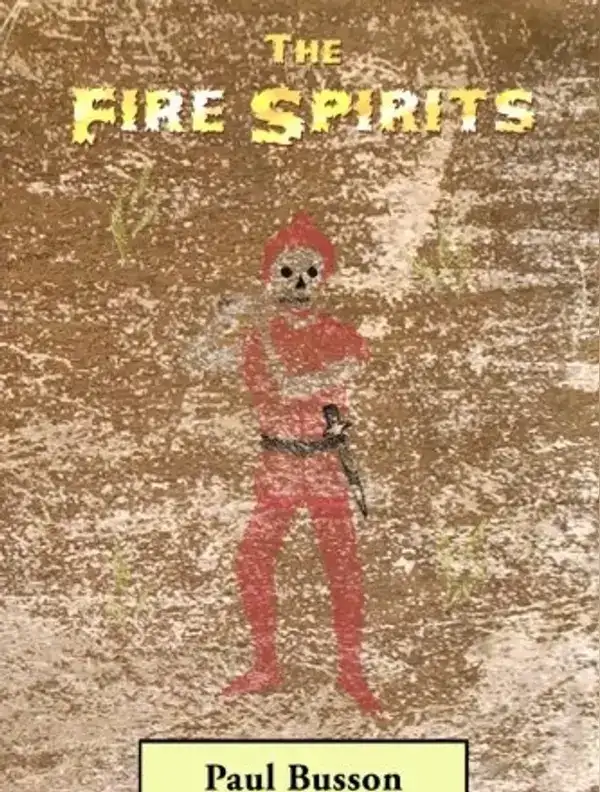
The rugged, snow-draped passes of the Austrian Tyrol serve as far more than a wartime backdrop in Paul Busson’s atmospheric work; they become a realm where political conflict meets ancient mountain lore. The Fire Spirits captures the desperate Tyrolean resistance against Napoleon’s invading armies through a lens tinted with uncanny local folklore and subtle supernatural dread.
Written by Austrian novelist Paul Busson, The Fire Spirits is a gothic historical adventure novel set during the 1809 Tyrolean Rebellion against Napoleonic occupation. Blending historical guerrilla warfare with eerie Alpine myth, the story follows defenders navigating human battlefields alongside spectral, unexplainable phenomena. This book is best for readers who enjoy classic European historical fiction infused with weird folk horror, whereas readers expecting high-magic fantasy or modern thriller pacing may wish to look elsewhere.
| Attribute | Details |
|---|---|
| Author | Paul Busson |
| Setting & Era | Tyrol, Austrian Alps (1809 Napoleonic Wars) |
| Genre | Gothic Historical Adventure / Folk Horror |
| Core Themes | Alpine Folklore, Resistance against Tyranny, Isolation, The Uncanny |
| Target Audience | Fans of classic weird fiction, Napoleonic history, and atmospheric Central European literature |
| Narrative Tone | Atmospheric, brooding, suspenseful, and rustic |
Plot Overview & Premise
Set during the height of the Napoleonic Wars, the narrative takes place in the rugged, isolated valleys of the Tyrol. As French and Bavarian forces march across Central Europe, forcing foreign rule upon traditional Alpine communities, a fierce peasant resistance erupts. Led by mountain leaders and local militia, the Tyroleans turn their difficult terrain into a lethal weapon against superior military forces.
However, the conflict quickly stretches beyond standard military strategy. Strange light phenomena, phantom fires along high mountain ridges, and old pagan superstitions begin to influence the morale of both the invading troops and the native resistance. As soldiers disappear into remote ravines and mysterious signals flicker across frozen peaks, the characters must confront whether these occurrences are clever guerrilla tactics, optical illusions, or actual ancient powers awakened by the bloodshed on the mountain slopes.
Key Themes & Literary Analysis
Paul Busson’s work stands out for its ability to ground supernatural suspense within meticulous historical settings. Rather than presenting overt high fantasy, the story maintains a delicate ambiguity regarding the nature of the supernatural elements, leaving readers to weigh psychological terror against genuine folkloric presences.
- History Intertwined with Myth: The novel juxtaposes documented 1809 military events with the deep-seated pagan lore of the Alps, reflecting how isolated communities interpret war through traditional mythologies.
- The Hostile Sublime: The Alpine landscape functions almost as an active character—unforgiving, dark, and filled with unnatural noises and deceptive lights that unravel human sanity.
- Psychological Isolation: Both the occupying soldiers and the mountain rebels suffer from intense isolation, where fear of the unknown turns every shadow and distant blaze into an existential threat.
Who Should Read This?
The Fire Spirits will appeal to readers who appreciate late 19th and early 20th-century European horror and historical fiction, particularly those interested in the darker, lesser-known corners of Napoleonic history.
Pros:
- Richly detailed historical backdrop that evokes early 19th-century Central European life.
- A tense, eerie atmosphere that balances military action with gothic suspense.
- Fascinating exploration of Central European folk beliefs and mountain lore.
Cons:
- The episodic chapter structure reflects older serial publishing styles, which may feel fragmented to modern readers.
- Slow-burn pacing that prioritizes mood and landscape descriptions over constant action.
Frequently Asked Questions
Is The Fire Spirits a pure fantasy novel?
No, it is primarily a historical adventure novel with strong gothic and supernatural overtones. The otherworldly elements are woven subtly into the historical reality of the 1809 Tyrolean uprising.
What historical period forms the backdrop of the story?
The novel takes place during the Napoleonic Wars in 1809, focusing on the Tyrolean Rebellion where local insurgents fought against invading French and Bavarian forces in the Austrian Alps.
Is this book connected to Paul Busson’s other works?
While standalone in plot, it shares thematic ties with Busson’s other notable works, such as The Man Who Was Born Again, featuring his signature mix of historical detail, reincarnation, and dark folklore.