
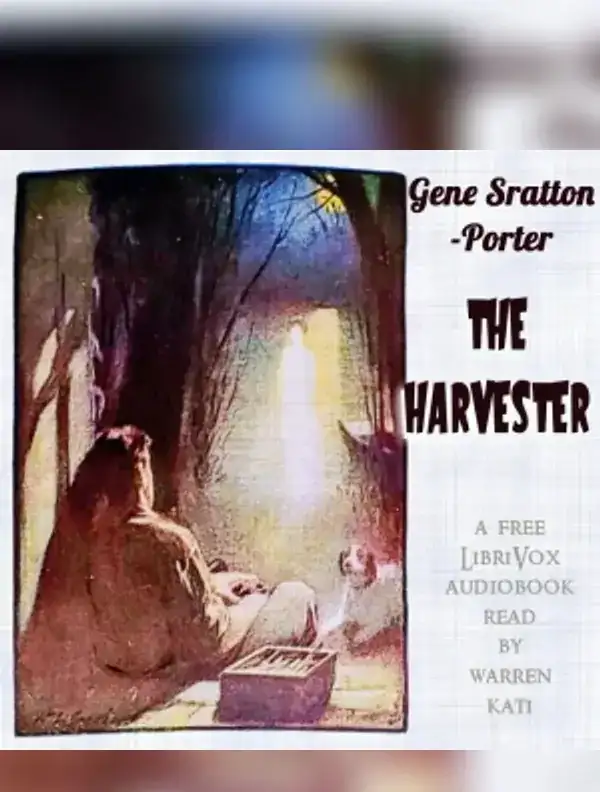
Long before modern eco-fiction took root, early twentieth-century readers found solace in stories where human morality was directly tied to the rhythm of the natural world. The Harvester by Gene Stratton-Porter is a classic pastoral romance following David Langston, a self-sufficient herbalist who harvests wild medicinal plants in the American Midwest. After experiencing a vivid vision of an unknown woman, David embarks on a patient, high-principled quest to locate her and earn her affection through selfless devotion.
Quick Summary: This novel is ideal for readers who enjoy vintage romantic fiction, historical nature writing, and clean, high-minded character dramas. Readers accustomed to fast-paced modern romantic suspense or realistic contemporary relationships may find its unyielding idealism and deliberate pacing slow.
| Author | Gene Stratton-Porter |
|---|---|
| Original Publication Date | 1911 (#1 Bestseller in 1912) |
| Genre | Pastoral Romance / Classic American Nature Fiction |
| Narrative POV | Third-person limited |
| Main Themes | Nature as a moral sanctuary, selfless devotion, physical and spiritual healing, personal integrity |
| Target Audience | Fans of classic American literature, historical romance, and vintage nature writing |
Plot Overview & Premise
Twenty-six-year-old David Langston, affectionately known in his community as “the Harvester,” lives a peaceful, independent life in the Midwestern countryside. He earns his living by cultivating, harvesting, and processing native trees, herbs, and roots to sell as medicinal ingredients to pharmaceutical firms. Living in harmony with his surroundings alongside his loyal dog Belshazzar, David has long been content with bachelorhood. However, a traditional spring ritual with his dog, followed by a striking dream of a dark-haired woman in white, alters his life trajectory. Convinced this woman is real and destined to be his life companion, David prepares his home and heart long before meeting her.
When David eventually discovers the real woman—Ruth Jameson—she is far from the radiant vision of his dream. Suffering from severe physical illness, emotional distress, and financial exploitation by a cruel relative, Ruth is in desperate need of aid. Rather than pressing his romantic suit, David steps forward as a protector and healer. He brings Ruth and her invalid father into a sanctuary built specifically for her, applying his vast knowledge of botanical medicine and quiet devotion to nurse her back to health. The narrative explores whether Ruth can recover enough to see David not merely as her savior, but as the partner of her choice.
Key Themes & Literary Analysis
Nature as a Source of Healing and Wisdom
As an accomplished naturalist and photographer, Gene Stratton-Porter infuses the narrative with authentic botanical lore. David’s deep understanding of forest flora mirrors his internal moral clarity. The woods serve not merely as a backdrop, but as an active sanctuary capable of restoring physical health and ethical balance against the corrupting influences of urban greed and neglect.
Chivalry and Patient Courtship
David Langston embodies an idealized vision of chivalry often compared by literary commentators to classic romantic figures like Fitzwilliam Darcy. His approach to love is characterized by restraint, dignity, and absolute respect for Ruth’s agency. Rather than demanding affection in exchange for his protection, he waits patiently for her emotional awakening, allowing her space to heal from past trauma.
Folk Humor and Community Guidance
The novel balances its high-minded romanticism with colorful supporting characters. Figures like Granny Moreland provide earthy wisdom and sharp-tongued advice on human nature, grounding David’s lofty idealism with practical advice on love, marriage, and community dynamics.
Who Should Read This?
Recommended For:
- Classic Romance Enthusiasts: Readers who appreciate sweet, moral-driven courtships with high emotional stakes.
- Nature and Botany Lovers: Anyone fascinated by traditional herbal medicine, forestry, and early 20th-century naturalism.
- Fans of Vintage Bestsellers: Readers exploring the most influential popular fiction of the pre-WWI era.
Who Might Want to Skip:
- Modern Rom-Com Fans: Those looking for fast banter, contemporary relationship dynamics, or explicit romance.
- Action-Driven Readers: Readers who prefer high-tempo plotting over detailed descriptions of nature and gradual character development.
Frequently Asked Questions
Is The Harvester part of a series or a standalone novel?
The Harvester is a standalone novel. While Gene Stratton-Porter wrote several books set in similar Midwestern rural environments—such as the Limberlost region—this story features a self-contained plot and distinct cast of characters.
What makes David Langston different from typical romantic heroes of his era?
Unlike many wealth-driven or urban heroes of Gilded Age fiction, David is a self-reliant woodsman whose strength stems from moral purity, botanical knowledge, and deep respect for nature. His heroism is defined by his patience and capacity to nurture rather than dominance or financial conquest.
Is the botanical and herbal information in the novel accurate?
Yes, Gene Stratton-Porter was an avid naturalist and field photographer. The descriptions of wild herbs, medicinal roots, and forest conservation principles reflected real botanical practices of the early twentieth century.