
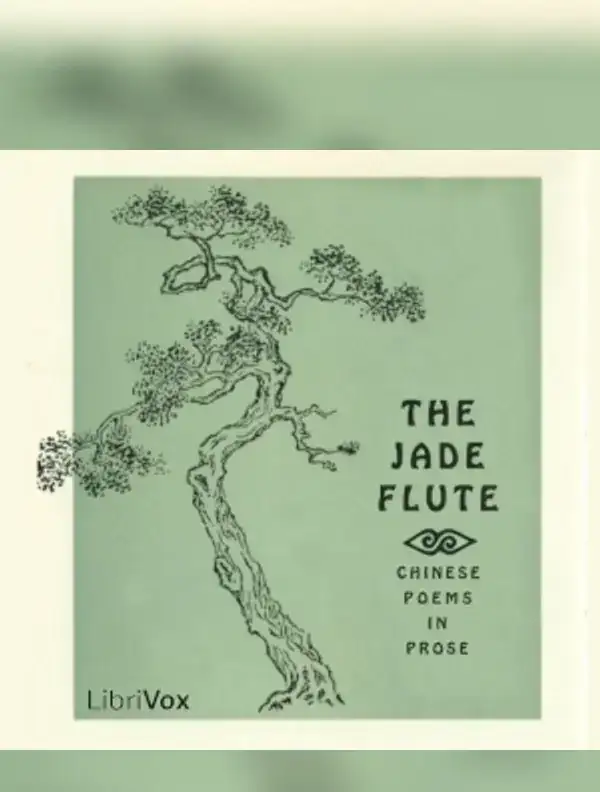
Capturing the quiet intimacy of classical Chinese verse, The Jade Flute renders centuries of Eastern contemplative thought into understated English prose. By discarding rigid Western end-rhymes, the collection allows pure imagery—solitary mountain mist, autumn moons, and lingering farewells—to convey timeless emotional depth.
The Jade Flute is an anthology featuring works by prominent ancient Chinese poets, including Li Po, Wan Ts’u, and Mei Chang, presented through anonymous English prose translations across six distinct sections. The book serves as an introduction to Tang Dynasty aesthetics, centering on themes of nature, solitude, and impermanence. It is best suited for enthusiasts of Eastern philosophy, meditative poetry, and historical literature, though readers seeking modern narrative structures or fast-paced storytelling may find its minimalist tone too passive.
| Author(s) | Various (including Li Po, Wan Ts’u, Mei Chang, and other classical masters) |
|---|---|
| Era / Origin | Ancient China (Tang and Han Dynasties) |
| Genre | Classical Poetry / Prose Translation / World Literature |
| Format | Six-Part Anthology (Prose Renderings) |
| Main Themes | Impermanence, Solitude, Nature, Taoist Mindfulness, Nostalgia |
| Target Audience | Readers of philosophy, ancient literature, minimalist poetry, and audio listeners |
Plot Overview & Premise
Unlike Western poetry collections built around clear thematic arcs or grand epics, The Jade Flute operates as a series of emotional vignettes. Divided into six structural sections, the work aggregates short lyrical entries originally written by ancient Chinese masters. Rather than forcing these classical Chinese characters into strict English metrical schemes, the translators opted for fluid prose renderings. This structural choice preserves the uncluttered directness characteristic of Tang Dynasty literature.
The collection covers a vast spectrum of classical motifs: drinking wine beneath a quiet moon, grieving the departure of a dear friend, watching the seasons shift across mountain passes, and contemplating the fleeting nature of courtly power. Through the voices of iconic poets like Li Po alongside lesser-known lyricists like Wan Ts’u and Mei Chang, the anthology constructs a broad portrait of ancient daily life, spiritual devotion, and quiet existential reflection.
Key Themes & Literary Analysis
Impermanence and the Rhythm of Nature
Central to The Jade Flute is the Taoist principle of change. The poems routinely frame human emotions within the context of nature’s vast, indifferent beauty. A soldier’s long absence or a scholar’s grief is set against the backdrop of falling plum blossoms, drifting clouds, or flowing rivers. This pairing highlights the brevity of human pain when measured against the enduring rhythms of the natural world.
Solitude, Exile, and Nostalgia
Many featured poets lived through periods of political upheaval, exile, or forced travel away from imperial capitals. Consequently, a recurring motif throughout the six sections is longing—whether for home, lost youth, or distant companions. The prose medium exposes the stark emotion of these scenarios, presenting isolation not merely as sadness, but as an opportunity for self-reflection and artistic expression.
Minimalism and Zen Aesthetics
The prose translations retain the sparse quality of original Chinese verse, where what is left unsaid carries as much weight as the written word. Images are presented cleanly without over-explanation. A simple description of frost on a courtyard floor conveys an entire atmosphere of cold isolation without directly stating the speaker’s sorrow.
Who Should Read This?
- Recommended For:
- Fans of classical Chinese literature and Tang Dynasty poetry.
- Readers interested in mindfulness, Taoism, and contemplative reading.
- Audiobook listeners looking for short, tranquil listening sessions.
- Skip If:
- You prefer plot-driven books with linear narrative arcs.
- You prefer modern, highly stylized, or heavily rhymed verse forms.
Frequently Asked Questions
Who wrote the poems in The Jade Flute?
The collection features works by various ancient Chinese poets, primarily from the Tang and Han periods, including masters like Li Po, Wan Ts’u, and Mei Chang.
Is this collection written in verse or prose?
While the original works were composed as classical Chinese poems, the translations in The Jade Flute are presented in English prose to prioritize clarity, imagery, and natural speech rhythm over forced rhyming schemes.
How is the collection structured?
The anthology is organized into six distinct sections, making it ideal for incremental reading or quiet reflection.