
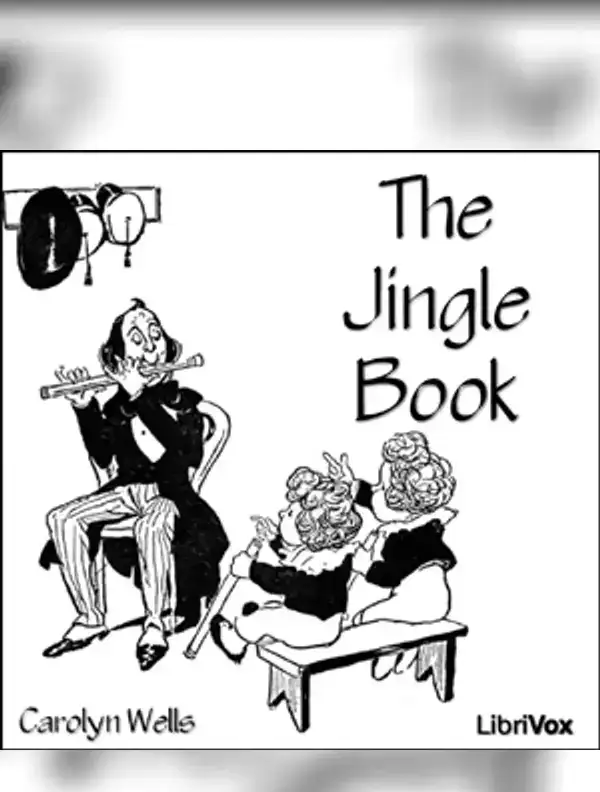
Before nonsense verse became a staple of early childhood education, humors like Carolyn Wells crafted rhythmically infectious linguistic puzzles that taught young readers to appreciate sound and cadence. First published in 1899, this collection showcases Victorian light verse at its most accessible, blending clever wordplay with effortless rhyme schemes.
The Jingle Book by Carolyn Wells is a vintage collection of humorous children’s poetry, silly verses, and inventive limericks featuring whimsical characters such as Triangular Tommy and the Smiling Shark. Best suited for early readers, parents seeking engaging read-aloud material, and collectors of historic children’s literature; readers looking for sustained plotlines or contemporary poetic styles should skip it.
| Metadata Field | Details |
|---|---|
| Author | Carolyn Wells |
| Original Publication Date | 1899 |
| Genre / Sub-genre | Children’s Poetry / Nonsense Verse / Limericks |
| Main Themes | Linguistic playfulness, absurdity, animal anthropomorphism, holiday cheer |
| Target Audience | Early readers, parents, fans of classic nonsense literature |
| Narrative POV | Varied (First-person and Third-person light verse) |
Plot Overview & Premise
Rather than following a singular continuous narrative, Carolyn Wells structures her work as a series of standalone rhythmic vignettes and tongue-twisters. Each piece introduces a memorable character or improbable scenario designed to ignite a child’s imagination through humorous exaggeration.
Notable entries in the collection include iconic wordplay pieces like “The Tutor”—famous for its playful tongue-twister rhymes regarding musical instruction—and character sketches like “Triangular Tommy,” which plays with visual and geometric absurdity. Pieces like “The Smiling Shark” introduce anthropomorphic animals with cheeky personalities, while seasonal selections like “Christmas Gifts” offer lighthearted reflections on childhood anticipation. Wells uses consistent meters and straightforward rhyme schemes, making the collection memorable and easy to recite.
Key Themes & Literary Analysis
- Linguistic Playfulness and Phonetic Fun: Wells relies heavily on alliteration, tongue-twisters, and tight meter. The primary goal of her verse is to make language feel tactile and fun, helping young readers build phonological awareness through bounce and cadence.
- The Tradition of Nonsense Verse: Following in the footsteps of Edward Lear and Lewis Carroll, the collection embraces nonsensical logic. Absurd characters like a triangular boy or a grinning sea predator subvert daily expectations, encouraging creative thinking over moralizing.
- Innocent Satire and Character Vignettes: While meant for children, many limericks gently poke fun at adult mannerisms, tutors, and rigid societal roles, offering subtle humor that older readers can appreciate during joint reading sessions.
Who Should Read This?
This work remains an ideal choice for specific audiences, while others may find its vintage style less appealing:
- Recommended For: Parents seeking short, energetic bedtime read-alouds; educators introducing rhythm and meter; and collectors of late 19th-century American humor and children’s verse.
- Pros: Highly memorable rhythms, excellent for reading aloud, short format keeps young attention spans engaged.
- Cons: Lacks an overarching story arc; some turn-of-the-century vocabulary may require occasional explanation for modern kids.
Frequently Asked Questions
Is The Jingle Book a continuous story or an anthology?
It is an anthology composed of individual, short poems, limericks, and rhythmic sketches. Each piece stands entirely on its own, making it flexible for quick reading sessions.
What age group is this collection best suited for?
The collection is best suited for children aged 4 to 8 as a read-aloud book, though early independent readers aged 7 to 9 will also enjoy working through the playful tongue-twisters and rhymes.
What makes Carolyn Wells’ poetry distinct from other classic children’s authors?
Wells focused heavily on clear, metered light verse and puns rather than long-form fairy tales. Her work prioritizes immediate humor, rhythmic speed, and phonetic playfulness over dark moral lessons or complex allegories.