
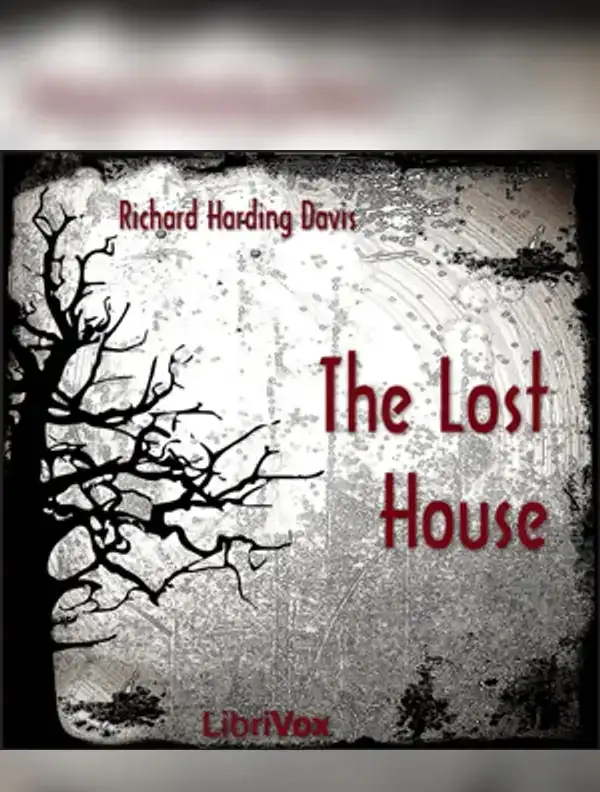
When a frantic plea for help lands on an American diplomat’s desk via a crumpled slip of paper found in a London gutter, investigative journalism meets classic suspense. Richard Harding Davis crafts a fast-paced Edwardian mystery driven by professional tenacity, urban isolation, and the threat of institutional corruption.
The Lost House by Richard Harding Davis is a classic mystery novella following Austin Ford, an ambitious American news correspondent in London who investigates a desperate note from a young heiress allegedly imprisoned in a sinister private asylum by her villainous uncle. Ideal for fans of early 20th-century mystery, investigative thrillers, and vintage detective literature; less suitable for modern readers seeking complex psychological horror or contemporary pacing.
| Author | Richard Harding Davis |
|---|---|
| Publication Era | Early 1900s (Edwardian Era) |
| Genre / Sub-genre | Mystery / Detective Fiction / Crime Thriller |
| Main Themes | Investigative journalism, institutional abuse, diplomatic apathy, moral duty |
| Narrative Perspective | Third-Person Limited |
| Target Audience | Enthusiasts of early 20th-century adventure, vintage mysteries, and journalism fiction |
Plot Overview & Premise
The story begins inside the quiet confines of the American Embassy in London, where Austin Ford, a sharp-witted foreign correspondent for the New York Republic, is killing time with the Embassy’s Second Secretary. The mundane afternoon takes a sudden turn when a messenger delivers a scrawled message retrieved from an alley gutter. The letter is a desperate cry for aid written by a young woman who claims she is being held captive against her will in a clandestine asylum, orchestrated by her ruthless uncle to secure control over her fortune.
While the embassy diplomat dismisses the message as a cruel prank or the ramblings of a disturbed mind, Ford’s journalistic instincts tell him otherwise. Recognizing the hallmarks of genuine terror in the handwriting, Ford takes matters into his own hands. Driven by a blend of professional curiosity and moral urgency, he dives into London’s fog-shrouded streets to track down the secret location known as the “Lost House,” racing against time to expose the conspiracy before his source is silenced permanently.
Key Themes & Literary Analysis
At its core, The Lost House reflects the cultural fascination with the modern investigative journalist as a contemporary knight-errant. Written by Richard Harding Davis—himself one of the most famous foreign correspondents of his generation—the narrative channels real-world news gathering into narrative suspense. Ford relies on observation, street-level networking, and decisive action rather than official police authority or aristocratic deduction.
The narrative also taps into Victorian and Edwardian anxieties regarding private asylum abuse. During this historical period, legal loopholes frequently allowed greedy family members to commit wealthy relatives under false pretenses. Davis juxtaposes the bureaucratic indifference of diplomatic officialdom against the energetic initiative of the free press, suggesting that institutional systems often fail the vulnerable while independent observers serve as the true guardians of justice.
Who Should Read This?
Recommended For:
- Fans of vintage mystery novellas and early detective fiction.
- Readers interested in early 1900s American literature and journalism-driven plots.
- Anyone seeking a quick, atmospheric classic mystery with high stakes and brisk narrative momentum.
Who Might Want to Skip:
- Readers looking for contemporary, high-tech forensic thrillers.
- Those expecting deep psychological profiling or long, intricate subplots.
Frequently Asked Questions
Is The Lost House a standalone story or part of a series?
The Lost House functions as a standalone mystery novella. While Austin Ford embodies the prototypical journalist protagonist popular in Richard Harding Davis’s works, the story is complete within its own self-contained plot.
What sets the protagonist apart from traditional literary detectives?
Austin Ford is a newspaper reporter rather than a professional detective or private investigator. His methods rely on public instincts, press leverage, and quick physical intervention rather than quiet logical deduction or police authority.
What is the central conflict of the story?
The central conflict pits Austin Ford against an elusive conspiracy driven by greed, as he attempts to locate an unmapped private asylum and rescue a captive heiress despite diplomatic skepticism and official inaction.