
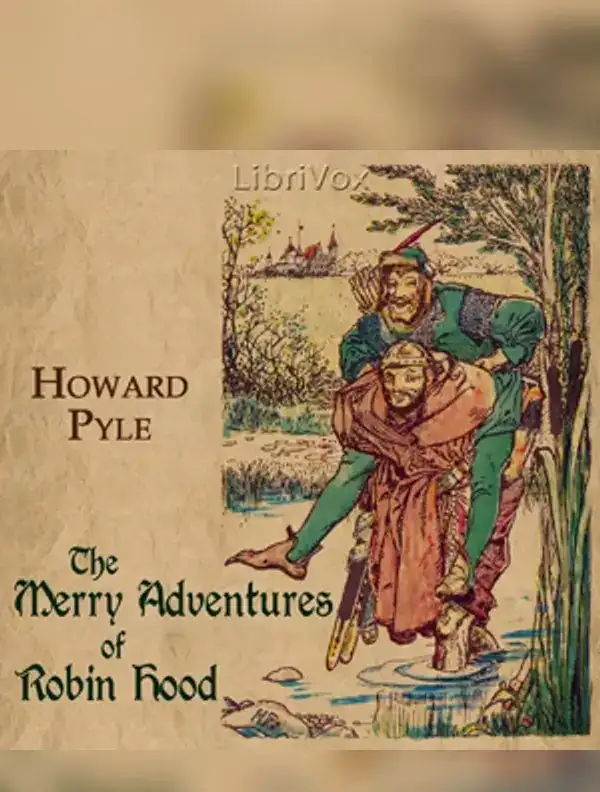
Few legendary figures have captured the literary imagination quite like the green-clad outlaw of Sherwood Forest, whose transformation from an exiled archer to an enduring symbol of populist justice redefined Western folklore. Howard Pyle’s seminal 1883 adaptation codifies these sprawling medieval ballads into a vibrant, unified narrative that remains the gold standard for Robin Hood lore.
The Merry Adventures of Robin Hood by Howard Pyle is a classic adventure novel that compiles episodic English folklore into a cohesive tale about Robin Hood and his band of 140 Merry Men defying the corrupt Sheriff of Nottingham. Ideal for lovers of medieval lore, swashbuckling adventures, and classic chivalric tales, though readers seeking modern grimdark fantasy or rapid pacing may find its archaic prose and episodic structure leisure-paced.
| Author | Howard Pyle |
|---|---|
| Original Publication Date | 1883 |
| Genre | Classic Adventure / Folklore & Legend Adaptation |
| Narrative POV | Third-Person Omniscient (Jovial Storyteller Voice) |
| Main Themes | Moral Justice vs. Law, Philanthropy, Brotherhood, Chivalry |
| Target Audience | Young Adults, Families, and Classic Literature Enthusiasts |
Plot Overview & Premise
The story begins in the lush depths of Sherwood Forest, detailing how young Robin Fitzooth is driven into outlawry after an encounter with royal foresters leaves one dead and Robin with a price on his head. Refusing to succumb to despair, Robin takes refuge under the greenwood tree and establishes a fraternity of fellow exiled yeomen known as the Merry Men.
Across twenty-two interconnected episodes, the narrative details Robin’s iconic encounters and recruits. He tests his staff-fighting skills against Little John on a narrow bridge, recruits the fiery Will Scarlet, rescues the minstrel Allan a Dale so he can marry his true love, and outwits the formidable Curtal Friar (Friar Tuck). Together, the band embarks on lighthearted yet daring escapades: tricking local butchers, rescuing Will Stutely from the gallows, assisting the impoverished Sir Richard of the Lea in repaying a predatory debt to a corrupt abbey, and outsmarting the persistent Sheriff of Nottingham at his own archer’s tournament.
The narrative shifts from episodic fun to royal high stakes when King Richard the Lionheart travels incognito to Sherwood Forest. Impressed by Robin’s unwavering loyalty to the Crown—despite his defiance of local despots—King Richard grants the outlaws a full royal pardon, drawing their forest saga toward an poignant, legendary climax.
Key Themes & Literary Analysis
Moral Justice Versus State Law
Pyle sharply delineates between legal authority and true moral righteousness. The Sheriff of Nottingham and the greedy clergy represent systemic corruption that uses legal mechanisms to oppress the poor. Robin’s lawbreaking, conversely, serves a higher ethical purpose: restoring balance by stripping ill-gotten wealth from hypocritical rulers and redistributing it to destitute peasants.
Chivalry and Merry Brotherhood
Unlike darker modern interpretations of outlaws, Pyle’s Sherwood is defined by jovial egalitarianism. Physical combat in the story rarely stems from malice; instead, a hard-fought duel on a log bridge or in a dusty lane serves as a rite of passage. If a opponent bests Robin in fair play, Robin warmly invites them to join his crew, placing honor, athletic skill, and mutual respect above pride.
Victorian Restoration of Medieval Legend
Howard Pyle did not invent Robin Hood, but he fundamentally reshaped him for modern audiences. Writing in late 19th-century America, Pyle cleansed the older, bloodier medieval ballads of brutal violence, replacing it with chivalric romanticism, rich archaic dialogue (“Quoth Robin,” “Thou art a stout fellow”), and timeless lessons on generosity that established the definitive imagery of the archer hero.
Who Should Read This?
Recommended For:
- Classic Literature Lovers: Anyone looking to experience the foundational text that set the template for modern Robin Hood adaptations.
- Fans of Swashbuckling Adventure: Readers who appreciate archery contests, clever disguises, quarterstaff duels, and heroic rescues.
- Parents and Educators: Excellent read-aloud material for middle-grade students learning about English folklore and chivalric traditions.
Who Might Skip It:
- Modern Fantasy Readers: Those expecting high magic, intricate world-building, or morally grey antiheroes might find the clear-cut morality simplistic.
- Readers Sensitive to Archaic Dialogue: Pyle purposefully uses 19th-century Victorian pseudo-Elizabethan phrasing, which requires patience for younger contemporary readers.
Frequently Asked Questions
Is this version of Robin Hood suitable for children?
Yes. Howard Pyle specifically adapted these old medieval ballads to make them accessible and appropriate for younger audiences, removing excessive gore and emphasizing themes of fair play, humor, and generosity.
Does Howard Pyle’s book include Marian?
Maid Marian plays a very minimal role in Howard Pyle’s original 1883 text compared to modern film adaptations. Pyle focused heavily on the camaraderie, archery challenges, and forest adventures shared between Robin and his Merry Men.
Is The Merry Adventures of Robin Hood a single novel or a story collection?
It is an episodic novel. While each chapter functions as a self-contained adventure or character introduction, the overall book follows a chronological timeline starting from Robin’s exile to his eventual royal pardon by King Richard.