
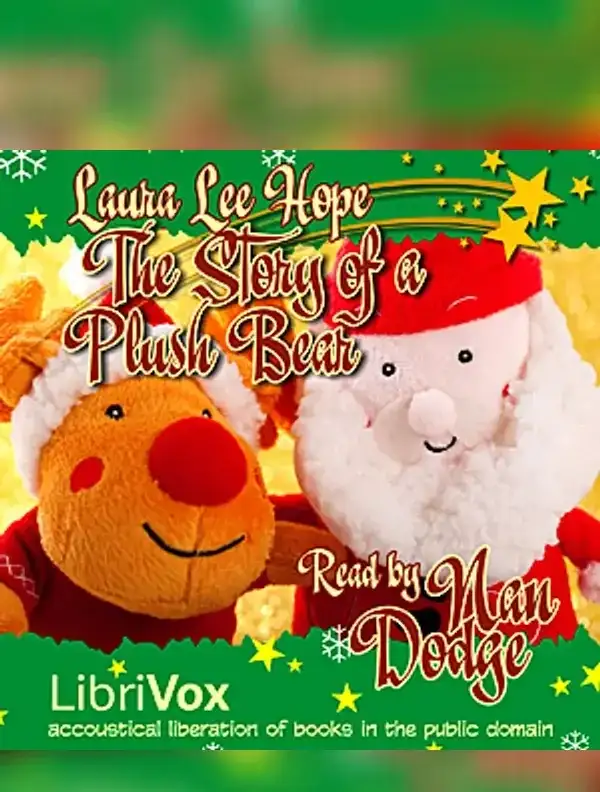
Childhood toys possess a magical secret life when adults aren’t looking, a whimsical premise that has captivated young minds for generations. The Story of a Plush Bear by Laura Lee Hope is a classic early 20th-century children’s toy fantasy that follows an soft, anthropomorphic stuffed bear through a series of unexpected winter and seaside adventures. Central to the narrative is the bear’s search for security and companionship after being separated from the toy shop, enduring mishaps like snowball fights, falling out of windows, and floating out to sea. This book is best for parents seeking gentle bedtime read-alouds, early readers, and collectors of vintage children’s literature, while readers looking for high-stakes modern fantasy may prefer to pass.
| Metadata Field | Details |
|---|---|
| Book Title | The Story of a Plush Bear |
| Author | Laura Lee Hope (Stratemeyer Syndicate house pseudonym) |
| Original Publication Year | 1921 (Early 20th Century Vintage Children’s Literature) |
| Series | Make Believe Stories (Book 10 of 12) |
| Genre | Children’s Fantasy / Toy Story / Vintage Fiction |
| Target Audience | Ages 4–8 (Bedtime Read-Aloud / Early Readers), Literary Historians |
| Narrative Point of View | Third-person Omniscient (Focusing on toy sentience) |
Plot Overview & Premise
The narrative begins in the magical atmosphere of a toy shop, where the Plush Bear and his fellow playthings come alive when human eyes are turned away. The Plush Bear is crafted with soft yellow fur and dark glass eyes, yearning for a child to love him. After experiencing winter playfulness—including a snowstorm encounter and meeting a toy Eskimo—the bear finds himself on a journey away from the safety of the shop shelf.
As the Plush Bear changes hands and travels from a family home to a summer boardwalk, his life becomes a succession of dramatic escapes and gentle mishaps. He is dropped out of a window, left stranded overnight, and eventually carried to the seashore. The climax occurs when the bear is swept into the ocean waves while on the beach, testing his resilience before he is rescued and reunited with a caring owner. Through ten brief episodes, the book tracks his transformation from a pristine store display to a cherished, well-traveled companion.
Key Themes & Literary Analysis
The Secret Life of Toys: Decades before modern animated films explored toy consciousness, Laura Lee Hope utilized anthropomorphism to build empathy in young readers. The Plush Bear feels anxiety, joy, and curiosity, allowing children to project their emotional lives onto their own physical playthings.
Gentle Peril and Resilience: The plot introduces stakes appropriate for young audiences—being left outdoors overnight, falling into the sand, or drifting out to sea. Rather than overwhelming the reader with dark themes, each crisis presents an opportunity to model calm persistence and optimism in the face of unexpected adversity.
Episodic Serialization: Created by the Stratemeyer Syndicate, the novella relies on concise, episodic chapters. Each chapter presents a contained mini-adventure—such as the boardwalk excursion or the snowball fight—designed to hold the short attention spans of early readers while building continuous momentum toward a happy resolution.
Who Should Read This?
- Parents and Educators: Ideal as an episodic bedtime story or classroom read-aloud for ages 4 to 8 due to its comforting tone and clear sentence structure.
- Early Independent Readers: Short chapters and predictable, reassuring plotlines offer a solid transition from picture books to simple chapter books.
- Vintage Literature Enthusiasts: Fans of early 20th-century children’s series fiction will appreciate this classic installment from the creators behind The Bobbsey Twins.
- Who Might Want to Skip: Readers seeking fast-paced modern action, complex magic systems, or contemporary character dynamics will find the 1920s prose and simple plot structure outdated.
Frequently Asked Questions
Is this book part of a larger series?
Yes, The Story of a Plush Bear is the tenth volume in the 12-book Make Believe Stories collection. Each book focuses on the independent adventures of a different animated toy, such as a sawhorse, a china cat, or a tin soldier.
What age range is this book suitable for?
The story is primarily aimed at children between 4 and 8 years old. Its straightforward vocabulary and gentle themes make it ideal for bedtime reading or for young students practicing independent chapter-book reading.
Who was Laura Lee Hope?
Laura Lee Hope was a pen name used by the Stratemeyer Syndicate, a prolific publishing group founded by Edward Stratemeyer. The pseudonym was shared by several ghostwriters who authored popular juvenile series, including The Bobbsey Twins and the Make Believe Stories.