
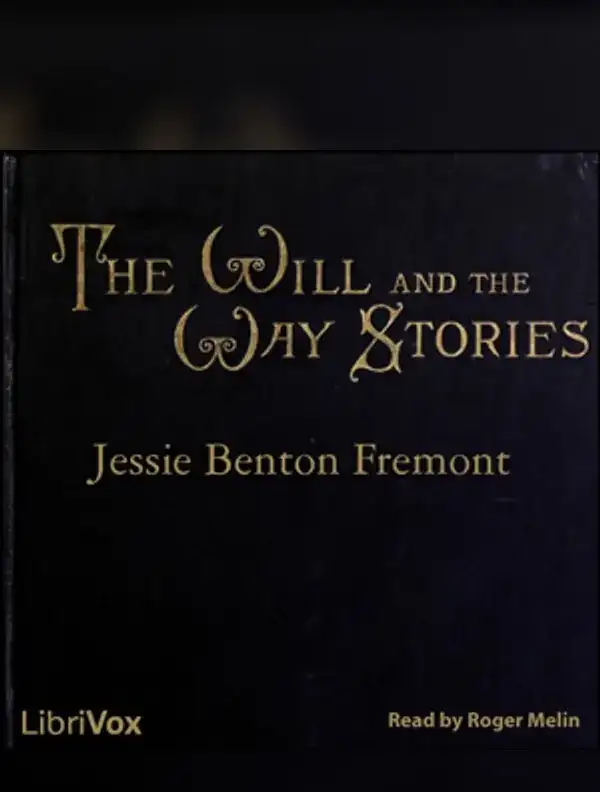
Nineteenth-century American writer Jessie Benton Frémont brings her sharp observational skills and storied life on the American frontier to a collection of short moral narratives. Her work captures human resilience across diverse settings, blending personal recollections with instructive anecdotes.
The Will and the Way Stories by Jessie Benton Frémont is a collection of nine 19th-century vignettes and historical sketches illustrating perseverance across frontier life, travel, and personal trials. This short volume is ideal for readers interested in early American regional literature, historical sketches, and classic moral tales, while modern fiction readers seeking complex narrative arcs may find its format straightforward and episodic.
| Metadata Field | Details |
|---|---|
| Title | The Will and the Way Stories |
| Author | Jessie Benton Frémont |
| Genre | 19th-Century Short Fiction / Historical Vignettes / Moral Literature |
| Publication Era | Late 19th Century |
| Narrative Point of View | First-person and Third-person episodic |
| Primary Themes | Perseverance, moral agency, frontier grit, resourcefulness |
| Target Audience | Fans of classic American literature, 19th-century history, and short moral stories |
Plot Overview & Premise
The core philosophy of this collection rests on the adage that strong determination creates a path forward regardless of circumstances. Across nine distinct entries, Frémont presents sketches ranging from character studies to personal travel accounts. Each narrative highlights individuals who face adversity, unexpected danger, or daily hardship, overcoming their obstacles through steadfast action.
The vignettes included in the collection feature varied settings and characters:
- “The ‘Deck Hand'” & “Kit Carson”: Stories drawing from frontier realities, incorporating notable figures like Kit Carson, whom Frémont knew personally through her husband, explorer John C. Frémont.
- “A Picnic Near the Equator” & “A Long Horror”: Narrative accounts of travel, environmental hazards, and sudden trials that test endurance.
- “Play and Work”, “Missmilly”, “The Two Wills”, “The Hat of the Postmaster”, and “The Good Samaritan”: Character-focused moral sketches emphasizing integrity, hard work, and neighborly assistance in classic 19th-century communities.
Key Themes & Literary Analysis
Frémont writes with a direct, conversational style informed by her unique position in 19th-century American history. As the daughter of Senator Thomas Hart Benton and wife of Western explorer John C. Frémont, her perspective bridges political elite circles and rugged frontier conditions.
The principal thematic element is moral resolve. Frémont portrays character as an active choice rather than a passive trait. Whether describing a physical struggle against the elements in “A Long Horror” or daily labor in “Play and Work”, the collection systematically demonstrates how agency and work ethic dictate outcomes. Furthermore, the inclusion of historical figures like Kit Carson grounds the fictionalized or remembered events in authentic Americana, giving modern readers a window into how 19th-century Americans conceptualized civic and personal duty.
Who Should Read This?
Recommended For:
- History Enthusiasts: Readers interested in early American frontier life and late 19th-century social values.
- Short Story Readers: Anyone looking for brief, moral-driven vignettes that can be read in a single sitting.
- Scholars of Early American Women Writers: Literary researchers exploring the works of prominent historical figures like Jessie Benton Frémont.
Might Want to Skip If:
- You prefer long-form novels with interconnected subplots and heavy character development.
- You dislike Victorian-era instructional morality or episodic storytelling.
Frequently Asked Questions
What is the central message of The Will and the Way Stories?
The collection demonstrates the core principle that determination, integrity, and hard work enable individuals to overcome physical, social, and personal obstacles, reinforcing the phrase “where there’s a will, there’s a way.”
Is Kit Carson a real historical figure in these stories?
Yes, Kit Carson was a well-known American frontiersman. Author Jessie Benton Frémont met Carson through her husband, explorer John C. Frémont, allowing her to include authentic personal details and stories about his life.
Are these stories suitable for younger readers?
Yes, these vignettes were written with clear moral intentions and clean themes, making them suitable for readers of all ages interested in classic 19th-century literature.