
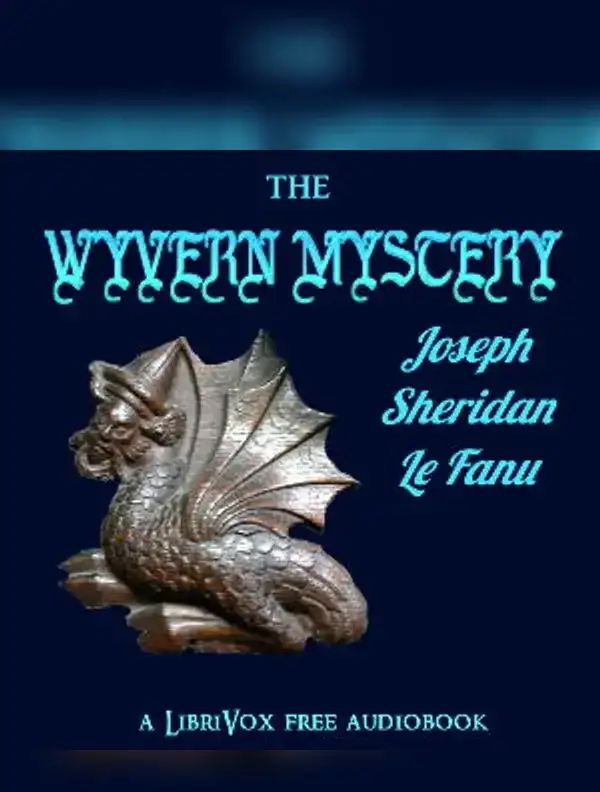
When domestic seclusion curdles into psychological dread, Victorian sensation fiction finds its truest exponent in Joseph Sheridan Le Fanu. The Wyvern Mystery unfolds as a dark tale of clandestine marriages, patriarchal tyranny, and sinister secrets lurking in cavernous country estates.
Quick Summary: Written by Victorian master of terror J. Sheridan Le Fanu, The Wyvern Mystery is a sensation novel that follows orphan Alice Maybell after she secretly marries Charles Fairfield, only to be dragged into a web of family madness, bigamy, and revenge at the looming Carwell Grange. This book is ideal for fans of gothic Victorian suspense, Wilkie Collins, and atmospheric mysteries, but readers who dislike slow-burn melodrama or intricate classic prose may want to pass.
| Author | Joseph Sheridan Le Fanu |
|---|---|
| Publication Era | Victorian (1869) |
| Genre | Gothic Fiction / Victorian Sensation Novel / Mystery |
| Main Themes | Family Secrets, Bigamy & Deception, Class Isolation, Psychological Horror |
| Target Audience | Enthusiasts of 19th-century gothic literature, mystery fiction, and classic horror |
| Narrative POV | Third-person omniscient |
Plot Overview & Premise
The story opens at Wyvern, where young orphan Alice Maybell grows up under the guardianship of the domineering Squire Fairfield. As Alice matures, her beauty attracts both the elderly Squire’s unwelcome marital ambitions and the romantic interest of his eldest son, Charles. Desperate to escape the Squire’s suffocating advance, Alice secretly elopes with Charles Fairfield, believing she has secured safety and lifelong devotion.
However, their temporary refuge at Carwell Grange rapidly transforms into a nightmare. The remote property is steeped in oppressive gloom, guarded by suspicious servants, and tormented by an unseen, menacing presence. Charles harbors dark financial debts and an explosive past that he refuses to reveal to his bride. The arrival of Charles’s brother Harry, alongside mysterious figures such as the vengeful Bertha Velderkaust, unspools a horrifying truth: Charles’s past is already bound by secret ties, throwing the validity of Alice’s marriage into chaos. Abductions, psychological strain, and deadly confrontations ensue as the characters march toward a dramatic reckoning across Cressley Common and Wyvern.
Key Themes & Literary Analysis
- The Domestic Gothic: Le Fanu subverts the traditional romantic home, turning domestic spaces like Carwell Grange into claustrophobic traps filled with hidden passages, lurking madwomen, and psychological dread.
- The Weight of Ancestral Sin: The Fairfield family is plagued by moral corruption. Both the Old Squire and Charles operate under selfish impulses, demonstrating how patriarchal authority left unchecked leads to ruin for dependents like Alice.
- Identity, Bigamy, and Deception: Echoing themes found in Charlotte Brontë’s Jane Eyre and Wilkie Collins’s The Woman in White, the novel interrogates the fragility of female status in Victorian society when marital validity is threatened by secret pasts.
- Atmospheric Pacing: Le Fanu utilizes eerie moonlight drives, silent night marches, and ominous rustic settings to create a persistent feeling of paranoia and imminent threat.
Who Should Read This?
Recommended For:
- Devotees of Victorian gothic literature, classic sensation novels, and vintage mystery stories.
- Readers who appreciate complex family dramas featuring morally gray characters, haunted mansions, and brooding atmosphere.
Who Might Want to Skip:
- Readers looking for fast-paced modern thrillers with immediate action.
- Those who dislike 19th-century prose conventions, detailed scenic descriptions, or melodramatic plot turns.
Frequently Asked Questions
Is The Wyvern Mystery a supernatural ghost story?
While the novel heavily utilizes gothic tropes, uncanny atmospheres, and spectral dread, its core plot relies primarily on psychological suspense, human cruelty, and sensation-style family secrets rather than overt supernatural monsters.
How does this book fit into J. S. Le Fanu’s work?
Published in 1869, The Wyvern Mystery bridges Le Fanu’s eerie gothic horror (such as Uncle Silas and Carmilla) with the mid-Victorian sensation novel genre popularized by Wilkie Collins, focusing heavily on bigamy and inheritance schemes.
Is this book suitable for younger readers?
The book contains no explicit graphic content by modern standards, but its complex Victorian vocabulary, dark themes of abduction, bigamy, and psychological abuse make it best suited for adult readers and mature young adults.