
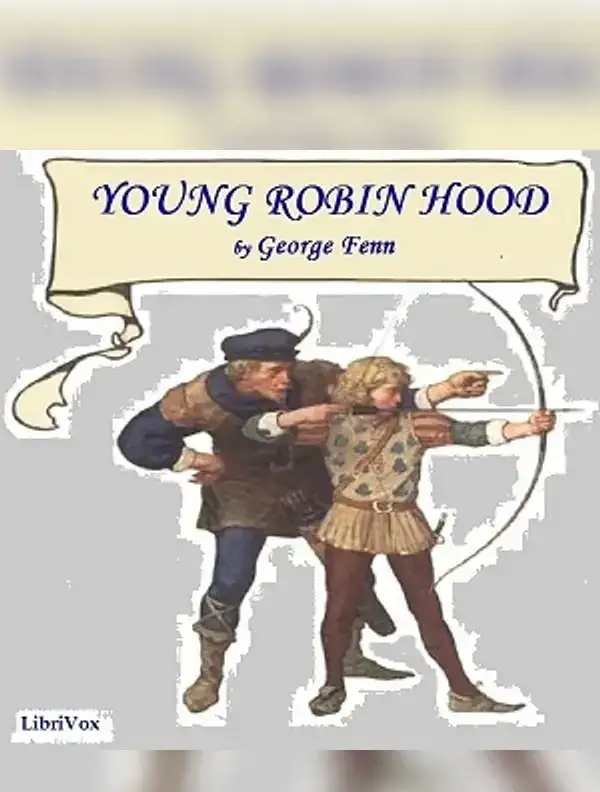
Long before he led the Merry Men through Sherwood Forest or clashed with the Sheriff of Nottingham, Robin Hood was a spirited youth learning to navigate the wild woods and the oppressive social hierarchies of medieval England. George Manville Fenn’s classic Victorian novella reimagines the archer’s formative years, capturing the raw curiosity, wilderness survival, and fledgling moral compass that ultimately forged a legendary hero.
*Young Robin Hood* by George Manville Fenn is a short historical adventure story exploring the legendary outlaw’s childhood origins. The narrative traces young Robin’s early mastery of the longbow and his awakening to social justice as he faces wilderness trials and Norman overreach. Ideal for fans of traditional folklore and classic coming-of-age tales; readers seeking modern, dark fantasy retellings may find its Victorian prose gentle and straightforward.
| Metadata Field | Details |
|---|---|
| Author | George Manville Fenn |
| Original Era | Late 19th Century (Victorian Era) |
| Genre | Historical Fiction / Young Adult Adventure / Legend Retelling |
| Main Themes | Coming-of-age, wilderness survival, moral justice, archery, honor |
| Target Audience | Young readers, folklore enthusiasts, readers of classic English adventure |
| Narrative POV | Third-Person Omniscient |
Plot Overview & Premise
George Manville Fenn structures Young Robin Hood as a concise eight-part chronicle detailing the childhood and early adolescence of England’s most famous folklore figure. Rather than dropping readers into the thick of outlaw life in Sherwood Forest, Fenn takes a step back to examine the character traits and outdoor skills that allowed Robin to survive in the greenwood.
The story focuses on young Robin’s upbringing in close proximity to the forest, highlighting his relationship with nature, his early lessons with the longbow, and his initial encounters with the rigid, often cruel authority figures of the period. As Robin wanders the woodland trails, he learns not only how to hunt and track, but also how to observe the inequalities surrounding peasants, foresters, and nobility. Through a series of episodic adventures, Robin develops his trademark agility, sharp aim, and an instinctive desire to shield the vulnerable, laying the groundwork for his eventual destiny as the champion of the oppressed.
Key Themes & Literary Analysis
Fenn, a prolific Victorian educator and author, embeds distinct literary and thematic elements into this origin story:
- The Formation of a Folk Moral Code: The narrative demonstrates that Robin’s iconic ethos—robbing from the rich to give to the poor—did not emerge overnight. It was forged through early observations of injustice and a natural empathy for common working folk.
- Victorian Wilderness Idealism: In keeping with 19th-century literature for young readers, the forest acts as a classroom. Nature demands resilience, keen senses, and self-reliance, serving as a counterweight to corrupted urban or feudal court systems.
- Archery as Character Symbolism: Robin’s devotion to the longbow represents discipline and focus. His growing archery skills mirror his internal maturity, transforming youthful energy into calculated strength.
Who Should Read This?
This light, classic tale serves specific reading preferences well, though its vintage nature may not suit every audience.
Recommended For:
- Folklore Enthusiasts: Readers interested in how Robin Hood legends were adapted during the Victorian era.
- Young Classic Readers: Middle-grade readers and young adults looking for an accessible, historic adventure story.
- Audiobook Listeners: With its brief eight-chapter structure, it is an easy, fast-paced listen or read-aloud story.
Who Might Want to Skip:
- Readers expecting gritty, complex historical fiction or modern fantasy tropes.
- Those who prefer the full outlaw ensemble (Little John, Friar Tuck, Will Scarlet), as this story centers strictly on Robin’s earlier boyhood years.
Frequently Asked Questions
Is Young Robin Hood historical fiction or myth?
The story is a literary retelling of traditional English folklore. While George Manville Fenn sets the narrative within realistic medieval surroundings, Robin Hood himself remains a legendary figure rather than a documented historical person.
What reading level is required for this book?
The novella was written primarily for older children and young adolescents. While the Victorian vocabulary and phrasing can occasionally feel formal, the overall plot is direct, making it accessible for young adults and family read-alouds.
How long is George Manville Fenn’s story?
The book is quite short, divided into eight brief chapters. It can typically be read in a single sitting or completed as a quick, episodic adventure over a few days.